Pragmatism over Populism: Re-evaluating PM Balen Shah’s Strategic Border Remarks
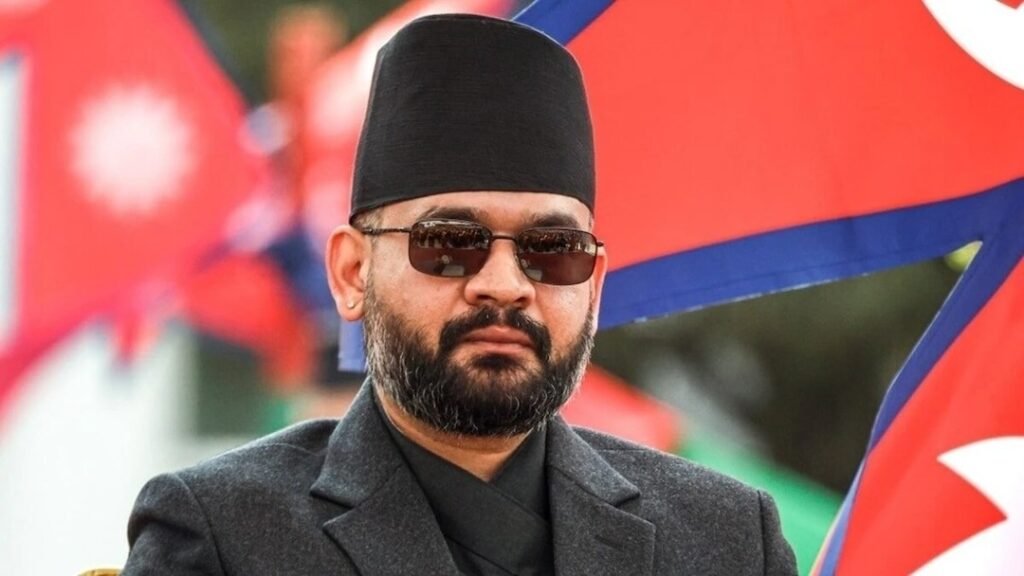
Prime Minister Balen Shah’s recent remarks on the Nepal-India border dispute have ignited a fierce political storm across Nepal. Critics quickly condemned his acknowledgement that cross-border occupation exists on both sides as an unnecessary concession that undermines Nepal’s sovereignty. However, a deeper analysis suggests his statements may not be a retreat, but a calculated, pragmatic shift toward a definitive diplomatic resolution.
By framing border management as a complex issue requiring historians, surveyors, and technical experts, the Prime Minister is attempting to steer the conversation away from emotional nationalism and toward evidence-based diplomacy. The open border between Nepal and India inherently brings local complexities, including shifting rivers and missing boundary pillars. Separating everyday cross-border management from core territorial claims regarding Kalapani, Lipulekh, and Limpiyadhura allows Nepal to present itself internationally as a rational actor seeking a factual, durable settlement rather than an adversarial confrontation.
History proves that deep-rooted territorial disputes are never resolved through political slogans alone. Complex border agreements between nations like India and Bangladesh, or China and Russia, required decades of rigorous technical negotiation. PM Shah’s reference to consulting colonial-era archives in the United Kingdom further reinforces a research-driven strategy.
While public sensitivity and political risks are undeniably high, repeating stalled claims has yielded few results for decades. If the Prime Minister’s objective is to break the diplomatic deadlock, move past political point-scoring, and force an objective evaluation of historical maps and treaties, these controversial remarks may ultimately be remembered as a necessary strategic breakthrough.