Nepal Provincial Leaders Criticize Federal Delays and Bureaucratic Bottlenecks at Inter-Provincial Conference
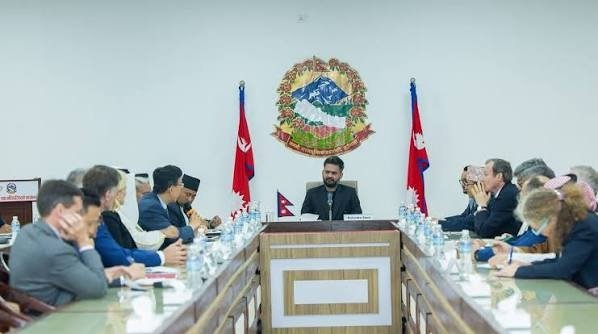
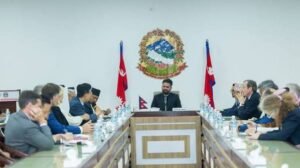
Chief ministers from Nepal’s seven provinces convened in Biratnagar on Tuesday for a two-day inter-provincial summit organized by the Koshi Province government to advocate for enhanced intergovernmental coordination, clearer constitutional authorities, and deeper cooperation to consolidate federalism across the nation. Jointly inaugurated via digital technology by the provincial leaders, the opening session served as a platform to address pressing governance challenges, including prolonged delays by the federal government in transferring constitutionally guaranteed powers, enacting essential police and civil service legislation, and ensuring equitable fiscal devolution. Karnali Chief Minister Mangal Bahadur Shahi emphasized the urgent need to safeguard democratic achievements against rising misinformation fueled by unfulfilled public expectations, while Lumbini Chief Minister Chet Narayan Acharya criticized federal authorities for overlooking provincial rights, restricting financial transfers, and undermining administrative structures. Gandaki Chief Minister Surendra Raj Pandey expressed strong frustration that successive federal administrations had left provinces powerless—metaphorically comparing their constrained condition to running with tied hands and feet—while unjustly dismissing regional governments as costly burdens despite their minimal administrative spending. Highlighting the need for collective action and shared vision, Bagmati Chief Minister Kiran Thapa called for a unified inter-provincial stance and a dedicated fund to combat climate change, whereas Madhesh Chief Minister Krishna Prasad Yadav proposed joint investments and religious tourism circuits to drive regional prosperity. Koshi Chief Minister Hikmat Kumar Karki, hosting the summit, urged his colleagues to move beyond mere grievances and take decisive action within existing frameworks while tackling widespread issues like drug abuse and bureaucratic bottlenecks that stall policy implementation. The conference features expert presentations of working papers, strategic deliberations between chief ministers and business representatives, and a scheduled provincial tour on Wednesday to promote regional tourism, with the final conclusions and recommendations set to be formally submitted to the federal government for immediate legislative and administrative remediation.