Kathmandu and Pokhara Brace for Showers: Detailed Regional Weather Forecast for Nepal
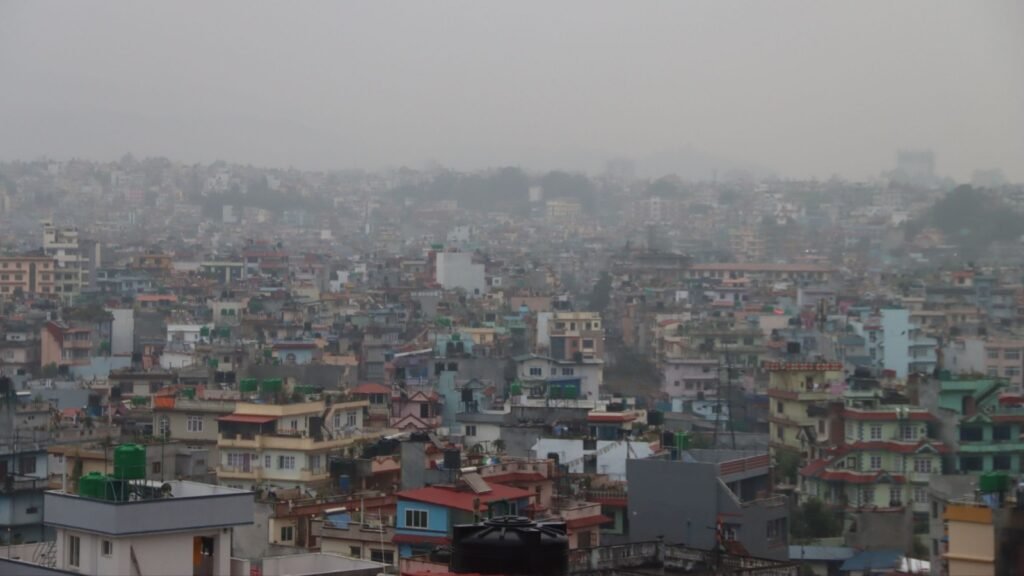
Parts of Nepal are bracing for rain and thunderstorms as the country falls under the partial influence of westerly winds and an active western low-pressure system, according to the Meteorological Forecasting Division. The weather pattern is expected to bring generally cloudy skies to the Himalayan regions and partly cloudy conditions across the hills, while Terai areas in Bagmati, Gandaki, Lumbini, and Sudurpashchim provinces will experience partly cloudy weather alongside mainly fair skies in other southern plains. Moderate rainfall or snowfall accompanied by thunder and lightning is anticipated at a few locations in the Himalayan terrain, select spots in the hills of Gandaki Province, and isolated areas across other hilly zones. Nighttime conditions will maintain similar cloud cover, with light rain or snowfall possible in higher altitudes across Koshi, Gandaki, Karnali, and Sudurpashchim provinces, accompanied by morning fog or mist patches in several Terai pockets. Urban centers like Kathmandu are expected to record daytime highs between 25 and 27 degrees Celsius with a twenty percent chance of precipitation and overnight lows of 13 to 15 degrees, whereas Pokhara is slated for moderate rain and thundershowers with maximum temperatures reaching 26 to 28 degrees and minimums settling around 17 to 19 degrees. Other localities including Dadeldhura, Okhaldhunga, Jiri, and Taplejung will likewise experience light showers and thundershowers, while warmer western districts such as Nepalgunj and Janakpur anticipate daytime peaks touching 33 to 35 degrees, contrasting sharply with cooler highland settlements like Jumla where maximums will hover between 21 and 23 degrees alongside chilly night lows of 3 to 5 degrees. Morning or overnight fog and mist are forecasted to reduce visibility in parts of the Terai including Bhairahawa and Biratnagar, prompting local authorities to advise caution for travelers and farmers alike as atmospheric conditions shift across the nation under the current western weather influence.