Global Diaspora Expands Tihar’s Footprint While Domestic Celebrations Adapt to Change
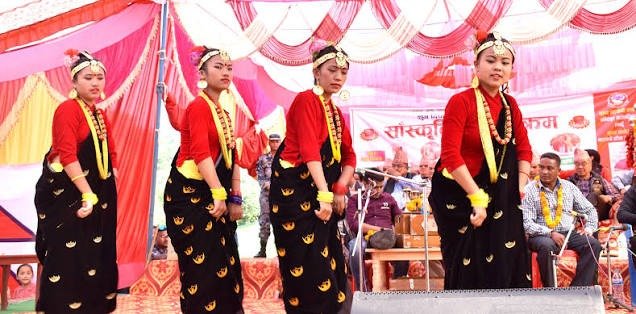
Tihar, Nepal’s vibrant festival of lights, is undergoing a profound transformation as a new generation of younger Nepalis, technological advancements, and shifting socio-economic landscapes redefine centuries-old customs. Traditional rituals, once deeply anchored in an agrarian lifestyle and close-knit community participation, are rapidly giving way to modern conveniences, digital engagement, and evolving urban lifestyles. For instance, the iconic Deusi-Bhailo musical troupes have experienced noticeable shifts; traditional instruments and original composed verses are increasingly being replaced by electronic sound systems, recorded playback, and modern dance routines. Cultural scholar Govinda Tandon points out that as concrete architecture replaces traditional mud-and-stone dwellings, age-old practices like plastering homes with white clay and red earth have become obsolete, substituted simply by buckets of commercial paint. Similarly, traditional outdoor pastimes such as kite-flying and dandi-biyo have largely yielded to mobile phones and digital screens, while agricultural mechanization has altered the historic reverence for cattle and oxen, transforming them from vital farming partners into commercial milk-producing units. Despite these contractions in localized village traditions, Tihar’s geographic and cultural footprint is expanding globally, traveling alongside the Nepali diaspora to nearly every corner of the world where students and workers settle. Scholars and cultural experts emphasize that culture cannot remain static, and these adaptations reflect natural responses to changing times rather than the demise of heritage. Concurrently, a growing wave of environmental consciousness and social introspection is reshaping how the younger demographic engages with the festival. Gen Z activists and participants are increasingly questioning long-held social norms, structural inequalities, class divides, and pressures associated with festive celebrations, urging society to address hidden oppressions disguised as tradition. This critical perspective is coupled with a marked shift in consumer habits away from indiscriminate plastic consumption toward sustainable materials, artisan-crafted handicrafts, and eco-friendly alternatives. Ultimately, while the physical mechanics, musical accompaniments, and communal structures of Tihar continue to evolve, the core spirit of celebration, gratitude, and community bonding endures. As young leaders and older generations negotiate the balance between preserving heritage and embracing modern realities, Tihar is successfully transforming into a dynamic, globally resonant festival that prioritizes environmental sustainability, inclusivity, and the evolving well-being of both people and the planet across generations.