Nepal begins probe into what triggered Bhotekoshi disaster
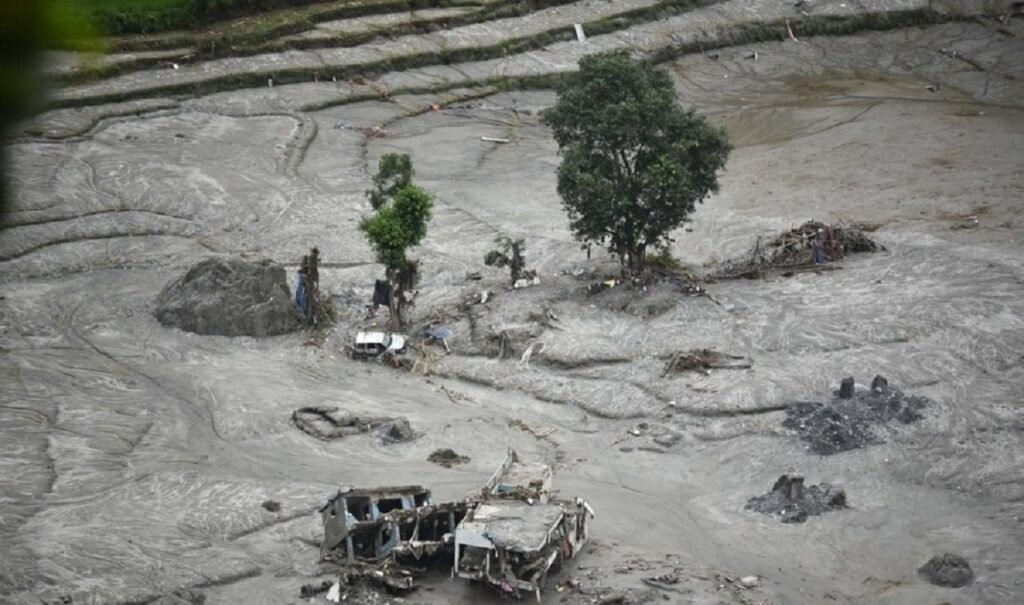
The Nepal government has commissioned a comprehensive scientific investigation into what triggered the devastating August 26 floods in Rasuwa, how the disaster unfolded and whether climate change played a role.
For the investigation, the Ministry of Energy, Water Resources and Irrigation has formed a seven-member panel of experts in hydrology, glaciology, geology, remote sensing, hydropower infrastructure and disaster risk reduction.
The panel will conduct field studies from the source of the disaster to the affected areas downstream, examining the geological, glacial and hydrological processes involved in the event, the ministry said.
The investigation follows a preliminary assessment that found insufficient scientifically verified evidence to establish where the disaster originated, what physical process triggered it or how the sequence of events spread downstream through the Bhotekoshi-Lhende river system.
The government wants to determine whether a sequence of geological, glacial and hydrological hazards in the high mountains triggered the disaster, rather than simply flooding or heavy rainfall.
“This is a rare event even by global standards. We cannot conclude without a detailed study,” said Tikaram Baral, joint secretary at the Water and Energy Commission Secretariat. “Once we have collected all the scientific evidence, an appropriate name will be given.”
The seven-member panel is coordinated by water policy and governance expert Debesh Belbase. Its members include hydrologist Narendra Man Shakya, glaciologist Rijan Bhakta Kayastha, remote-sensing expert Uttam Babu Shrestha, geologist Meghraj Dhital, hydropower infrastructure expert Hari Pandit and disaster-risk reduction specialist Anil Pokhrel.
The panel will also consider possible names for the disaster. Options discussed so far include “glacial rock avalanche”, “ice-rock avalanche/landslide” and “Rasuwa Bhotekoshi megadisaster”.
The study will examine geology, temperature and water systems together, as well as the possible role of climate change in the disaster, according to ministry spokesman Mohan Kumar Shakya.
The investigation is also intended to identify lessons for the energy sector. The Bhotekoshi disaster caused extensive damage along the Trishuli corridor, raising concerns about the vulnerability of hydropower infrastructure to similar events in other river systems.
Shakya said the findings would be used to improve long-term disaster preparedness and hydropower resilience, including the ability of power projects to continue operating during floods, droughts, climate-related shocks and other natural hazards.