
Nepal’s Energy Future at Risk as Hydropower Developers Struggle for Equity
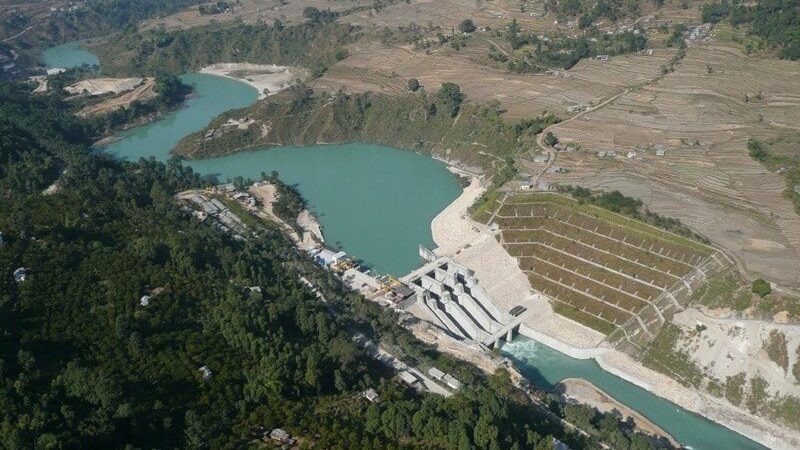
The momentum of Nepal’s hydropower sector has hit a significant regulatory wall as prolonged delays in Initial Public Offering (IPO) approvals by the Securities Board of Nepal (SEBON) disrupt vital capital mobilization. For a sector that serves as the backbone of the nation’s industrial growth, the inability to access public equity is creating a financial “domino effect” that threatens to stall dozens of critical energy projects.
The crisis stems from a breakdown in the traditional 70:30 financing model used by Nepali developers. Typically, 70% of a project’s cost is covered by bank debt, while the remaining 30% is raised through equity. Within that equity portion, 10% is reserved for project-affected locals and 20% for the general public. However, with SEBON currently sitting on a backlog of 98 companies seeking to raise a combined Rs 66.23 billion, developers are finding themselves unable to meet their financial commitments.
Uttam Bhlon Lama, Vice-President of the Independent Power Producers’ Association, Nepal (IPPAN), warns that the funding gap is reaching a breaking point. Banks are increasingly pressing developers to fulfill their equity obligations before releasing further debt installments. Without the influx of IPO proceeds, construction has slowed or ground to a halt on several sites. Furthermore, the delay is driving up operational costs; underwriting agreements, which are mandatory for share issuance, only remain valid for six months. Developers are now being forced into expensive, repeated renewals as they wait for a green light from the regulator.
The bottleneck is largely attributed to a persistent leadership vacuum and administrative instability at SEBON. Following a long period without a chairperson, the recent resignation of Santosh Narayan Shrestha in April 2026 has reignited fears of further stagnation. While SEBON officials maintain that delays are due to a lack of regulatory compliance by some applicants, market participants argue that the lack of clear decision-making is suffocating the capital cycle.
The impact extends beyond energy. While 32 hydropower companies are currently in the pipeline seeking Rs 15.54 billion, sectors such as manufacturing, tourism, and investment are also trapped in the queue. Stakeholders, including the Nepal Chamber of Commerce, have called on the government to intervene, noting that an obstructed capital market doesn’t just affect share prices—it halts the physical infrastructure necessary for Nepal’s economic sovereignty. As interest from international and domestic investors remains high, the primary challenge remains internal: a regulatory hurdle that has turned a routine financial process into a national development bottleneck.