Nepal’s Bhotekoshi flood: What we know on day three as death toll crosses 500
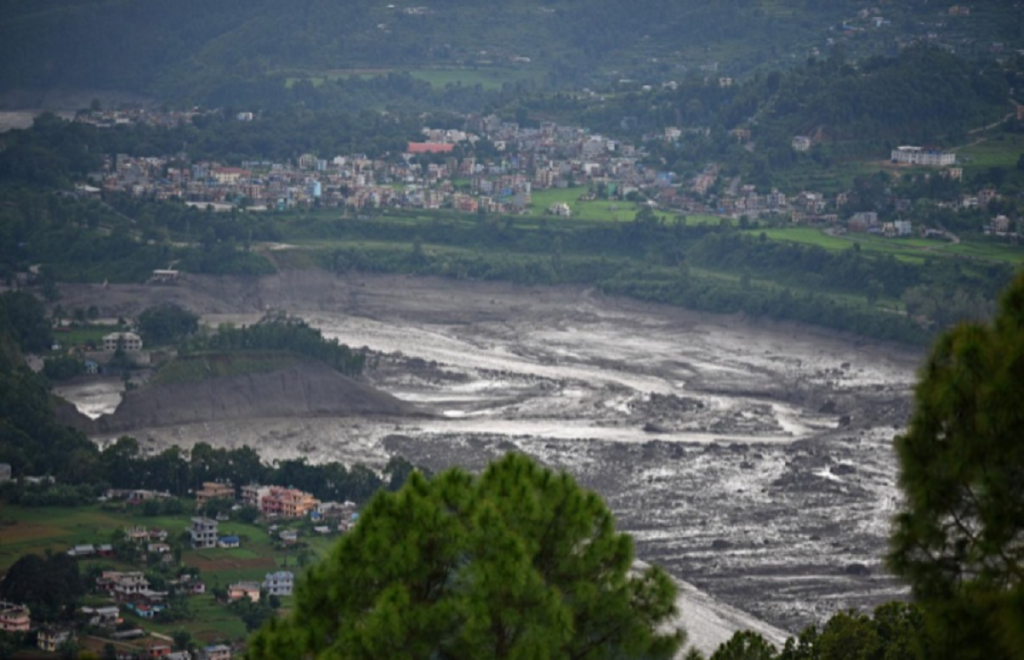
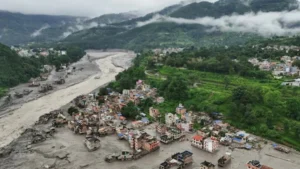
A sudden and powerful flood swept through Nepal’s northern border region on Wednesday morning, devastating communities along the Bhotekoshi river in Rasuwa and sending a wall of water and debris downstream.
The flood struck around Timure and Syaphrubesi, close to the Nepal-China border, damaging roads, bridges, buildings and other infrastructure before rushing into the Trishuli river system. The force of the flood swept away people, vehicles and structures, and cut off parts of the area.
Three days later, the disaster is still unfolding. Search teams are continuing to scour riverbanks and downstream settlements, while authorities are dealing with a rapidly growing number of bodies recovered far from the original flood zone.The death toll had reached 538 by Friday afternoon, according to the National Disaster Risk Reduction and Management Authority.
The figure includes people who died in Rasuwa and those whose bodies were recovered in districts far downstream.
The toll is not necessarily final. Search operations are continuing, and authorities are still reconciling records from different districts. Hundreds of people are still missing.
https://kathmandupost.com/national/2026/08/28/nepal-s-bhotekoshi-flood-what-we-know-on-day-three-as-death-toll-nears-500The Bhotekoshi is part of the Trishuli river system, so the flood carried people and debris far downstream.
What began as a disaster concentrated in Rasuwa has therefore become a much wider search and recovery operation. Bodies and human remains have been found in Nuwakot, Dhading, Gorkha, Tanahun, Chitwan and Nawalparasi.
The distance over which remains have travelled has also created a problem authorities were not prepared for: where to take and preserve them.