
Nepal Orders Secure Digitisation of Government Documents Amid Privacy Concerns
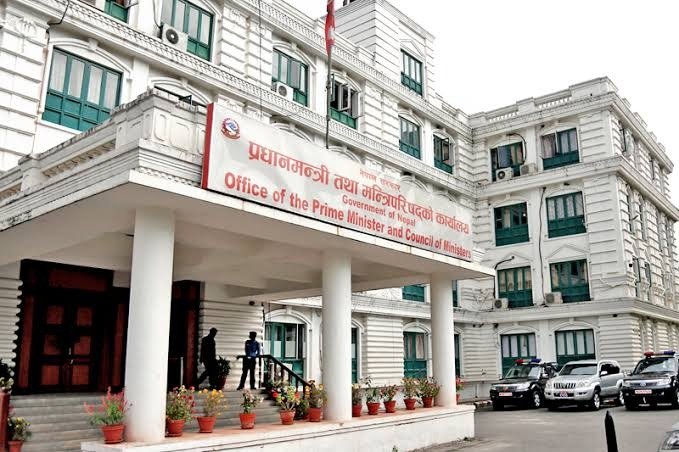
The Nepal government has directed all federal, provincial and local government offices to stop using mobile phone applications to scan official documents, citing serious concerns over data security and the confidentiality of sensitive state records. The directive, issued by the Office of the Prime Minister and Council of Ministers, requires government agencies to use only secure and authorised systems for the digitisation of official documents.
According to the circular, many free scanning applications automatically upload scanned files to servers operated by app developers, often located outside Nepal. This raises concerns that confidential information, including Cabinet documents, classified correspondence, strategic policy papers and citizens’ personal records, could be accessed, stored or processed without government oversight.
Officials also warned that several scanning applications use cloud-based text recognition technology, meaning the contents of scanned documents may be processed on external servers. In addition, some apps request permissions such as access to GPS location, contacts and device storage, creating further risks to government security and privacy.
The directive follows growing concerns about cybersecurity and data protection. Authorities also referred to past incidents involving popular scanning applications that were found to contain malicious code, highlighting the potential risks of relying on third-party software.
Although the circular does not specify penalties for non-compliance, it underscores the government’s commitment to strengthening information security by ensuring that official records are digitised and stored through secure systems under national control.