Kathmandu Overhauls Adventure Tourism Rules While Preparing for Condensed Bilateral Talks in New Delhi

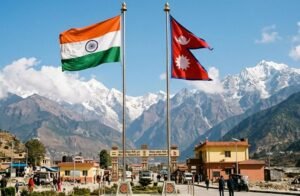
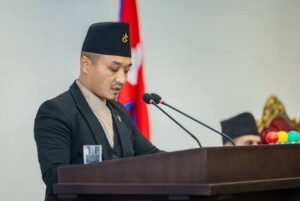
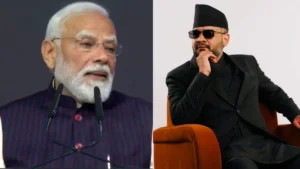
In a sweeping move aimed at bolstering adventure tourism safety and regulation, the Nepal government has officially announced a nationwide ban on foreign solo trekkers, mandating that all international travellers either hire an officially licensed guide or join an organized group starting April 1. This significant policy shift arrives five years after authorities prohibited foreign mountaineers from attempting Mount Everest without an experienced escort, signaling Kathmandu’s continued push to eliminate unguided expeditions across its rugged Himalayan terrain. Meanwhile, on the diplomatic front, Prime Minister Balendra Shah has drastically curtailed his inaugural bilateral visit to India from three days to a tightly packed 25-hour schedule spanning November 22 and 23. According to the revised itinerary, Shah will arrive in New Delhi on Sunday afternoon and depart by Monday evening, deliberately declining extended stops in Bengaluru and Ahmedabad to focus strictly on high-level engagements in the national capital. During this brief window, the Nepali premier is scheduled to hold a crucial 30-minute one-on-one meeting with Indian Prime Minister Narendra Modi on November 23, followed immediately by formal delegation-level talks alongside separate courtesy calls on President Droupadi Murmu and External Affairs Minister S. Jaishankar. Central to Kathmandu’s diplomatic agenda is a substantial financial assistance request totaling USD 2.15 billion—equivalent to Rs 20,082 crore—structured as USD 1 billion in direct grants and USD 1.15 billion in concessional loans. These funds are urgently earmarked for massive post-disaster flood reconstruction, the strategic Butwal-Pokhara highway upgrade, and vital bilateral energy infrastructure projects. The urgency behind this financial appeal stems from the catastrophic floods of August 26, which devastated communities across Nepal, claiming more than 1,400 lives, leaving 5,000 individuals missing, and inflicting an estimated USD 1.66 billion in widespread economic and infrastructural damage. However, this critical push for economic cooperation unfolds against a backdrop of lingering territorial friction between the two neighbors. Kathmandu recently lodged a formal diplomatic protest against New Delhi following the resumption of pilgrimage activities through the Lipulekh pass. Nepal firmly reiterates its longstanding territorial claim that Limpiadhura, Lipulekh, and Kalapani are integral, sovereign parts of its national territory, whereas India maintains its historical position that the Lipulekh route has been continuously used by pilgrims and traders since 1954. Ultimately, as Nepal enforces stricter domestic oversight over its lucrative trekking industry to protect foreign visitors, Prime Minister Shah’s condensed yet consequential trip to New Delhi underscores a delicate balancing act—navigating sensitive boundary disputes while securing essential international funding to rebuild a nation battered by climate-induced disaster and accelerate long-term regional connectivity.