Infrastructure Push Meets Diplomatic Friction as Nepal PM Balendra Shah Prepares for New Delhi Summit
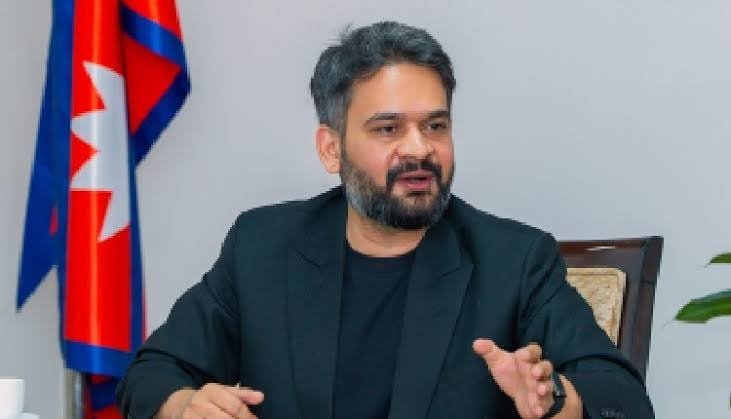
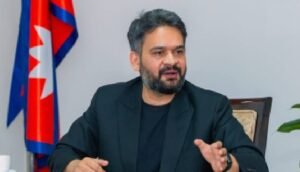
Nepal Prime Minister Balendra Shah is scheduled to embark on a high-stakes two-day state visit to India from November 22 to 23 at the official invitation of Indian Prime Minister Narendra Modi, leading a 34-member delegation from Kathmandu in a trip focused on securing vital economic assistance and advancing cross-border connectivity. Announced on Friday by Foreign Secretary Amrit Bahadur Rai, the visit’s centerpiece will be comprehensive bilateral talks between Prime Minister Modi and Prime Minister Shah on Monday, November 23, alongside engagements that include paying homage at Rajghat, calling on President Droupadi Murmu, and addressing the Nepal-India Business Forum. During their summit, the two leaders are slated to jointly inaugurate key bilateral energy projects, hold a joint press conference, and remotely flag off a landmark direct passenger train service linking the historic pilgrimage cities of Janakpur in Nepal and Ayodhya in India. Economically, Kathmandu is approaching New Delhi with an urgent request for a substantial assistance package valued at approximately $2 billion—comprising $1 billion in direct grants and $1.15 billion in concessional loans—earmarked for critical infrastructure including the Butwal-Pokhara highway, strategic energy ventures, and post-disaster reconstruction. This financial appeal follows the catastrophic August 26 floods in Nepal, which claimed over 1,400 lives, left 5,000 people missing, and created an estimated $4.8 billion recovery requirement. Despite the positive momentum around rail connectivity and disaster relief, the diplomatic backdrop remains complicated by several major unresolved bilateral disputes that have been sidelined or stalled ahead of the summit. Most notably, the long-pending Pancheshwar Multipurpose Project has been dropped from the official agenda after India insisted on the need for a broader political consensus before moving forward, while Kathmandu’s parallel proposal concerning Mahakali River water release has similarly receded from immediate discussions. Furthermore, flagship hydropower initiatives such as the Upper Arun and Dudhkoshi projects continue to encounter significant implementation obstacles stemming from India’s reluctance to extend full backing or market access assurances. Adding another layer of diplomatic sensitivity to the itinerary, Bhutanese human rights organizations have formally urged Prime Minister Shah to utilize his meetings with Prime Minister Modi to raise long-standing concerns regarding Bhutanese refugees and regional human rights protections. Ultimately, Prime Minister Shah’s upcoming visit to New Delhi represents a delicate balancing act for Nepal’s leadership, striving to lock in crucial post-flood reconstruction funding and symbolic cultural-rail links while navigating persistent structural friction over shared water resources, hydropower cooperation, and regional diplomatic priorities.