India calls Nepal’s claims “untenable” as the Kailash Mansarovar Yatra starts up again
Nepal officially protested the use of the Lipulekh Pass for the upcoming Kailash Mansarovar Yatra, bringing a long-running border dispute in the Himalayas back to the forefront of diplomacy. New Delhi has strongly opposed the move, calling Nepal’s claims to land “untenable” and “historically unfounded.” A long-simmering border dispute in the Himalayas has returned to the diplomatic forefront as Nepal formally protested the use of the Lipulekh Pass for the upcoming Kailash Mansarovar Yatra. The move has triggered a sharp rebuttal from New Delhi, which has labeled Nepal’s territorial claims as historically unfounded and “untenable.”
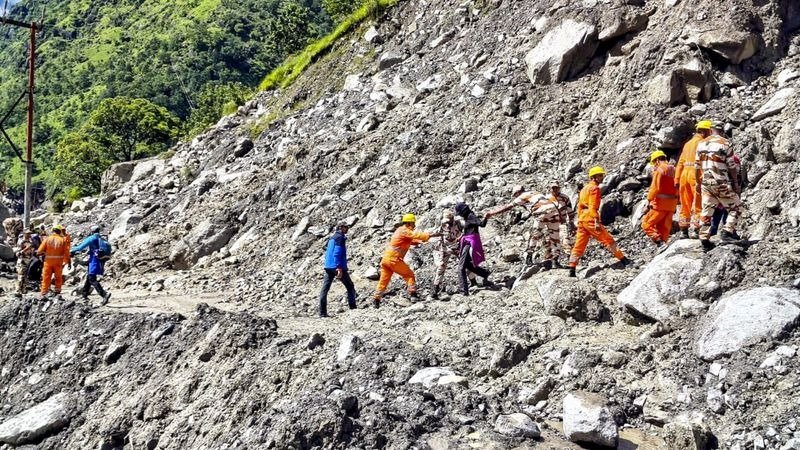
On April 30, India’s Ministry of External Affairs announced that the 2026 pilgrimage would start up again, which made things worse. Between June and August, 500 pilgrims will travel through the Lipulekh Pass in Uttarakhand to get to Tibet. On Sunday, Nepal’s Ministry of Foreign Affairs (MoFA) quickly issued a formal statement saying that the Lipulekh, Limpiyadhura, and Kalapani regions, which are all east of the Mahakali River, are important parts of Nepali territory.
The Treaty of Sugauli, which was signed in 1816, says that the Mahakali River is Nepal’s western border with British India. Nepal said that it has officially told both New Delhi and Beijing about its worries. It repeated its demand that India stop all activities in the area, including building roads and running pilgrimage operations.
But India is still not moved by the protest. The Indian Ministry of External Affairs said in a statement on Sunday night that the objection was not valid because the Lipulekh Pass has been a recognized yatra route since 1954. A representative from the ministry stressed that the pilgrimage is “not a new development” and said that Nepal’s efforts to expand its territorial claims are not based on history or reason. India says that it is open to talking about boundary issues in a constructive way, but it sees the current claims as one-sided.
The diplomatic rift shows how weak the relationship is between the two neighbors. Nepal says that historical maps and evidence clearly show that it is in charge of its own territory. India, on the other hand, points to decades of administrative control and past agreements between the two countries as proof of its authority.
Even though both countries have said they want to settle the disagreement through diplomatic means, they have also been very harsh with each other. The foreign ministry of Nepal ended its statement by saying again that it wants to settle the issue in a way that keeps the “spirit of friendship” that has always been a part of the relationship between the two South Asian countries. As the start date for the pilgrimage in June gets closer, the rest of the world watches to see if diplomacy can handle the rough terrain of Himalayan sovereignty.