Transboundary Cooperation: Key Breakthroughs in Kosi and Gandak Water Management
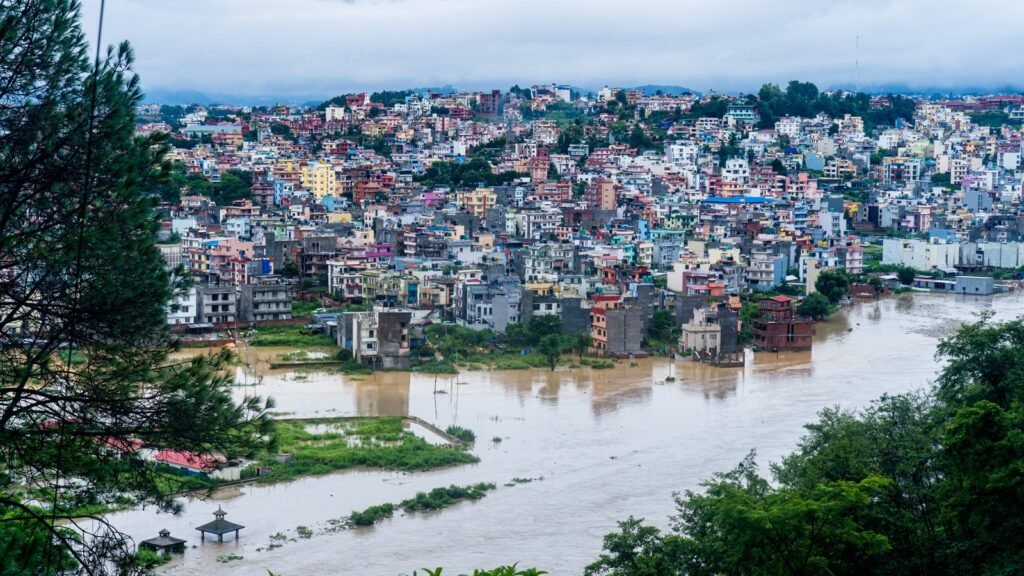
In a significant move to enhance regional disaster resilience, a high-level meeting between India and Nepal took place in Kathmandu today to finalize a robust flood forecasting model ahead of the 2026 monsoon season. Leading the Indian delegation was Santosh Kumar Mall, the Principal Secretary of the Water Resources Department of Bihar, whose state remains particularly vulnerable to the overflow of transboundary rivers. This meeting follows the successful conclusion of the 11th session of the India-Nepal Joint Committee on the Kosi and Gandak Projects, which took place from April 30 to May 1. The primary objective of these discussions was to streamline operational coordination and implement real-time data-sharing mechanisms to provide early warnings for communities living in flood-prone zones.
A cornerstone of the recent agreements is the decisive action against infrastructure obstructions. Nepal has officially committed to removing long-standing encroachments along a 35-kilometre stretch of the Western Kosi Main Canal located within its territory. Similar clearance operations are slated for the Kosi and Gandak barrages, as well as critical embankments and service roads that have historically faced maintenance hurdles due to unauthorized settlements. Furthermore, both nations reached a consensus on technical adjustments, such as shifting electric poles currently positioned on canal embankments, which will facilitate smoother repair work and improve the structural integrity of these vital water systems.
The collaborative atmosphere of the talks signals a renewed commitment to solving logistical and administrative bottlenecks. By integrating advanced API-based data sharing for rainfall and river discharge, the two countries aim to transform their reactive flood management into a proactive strategy. Beyond infrastructure, the discussions also touched upon restricting disruptive activities like timber extraction and fishing during peak flood periods to ensure the safety of project personnel and the stability of the barrages. As the monsoon approaches, these measures are expected to significantly reduce the risk of inundation in Bihar and Nepal’s plains, safeguarding both lives and agricultural livelihoods through a unified, scientific approach to river management.