Government pushes ministries to meet FATF reform targets
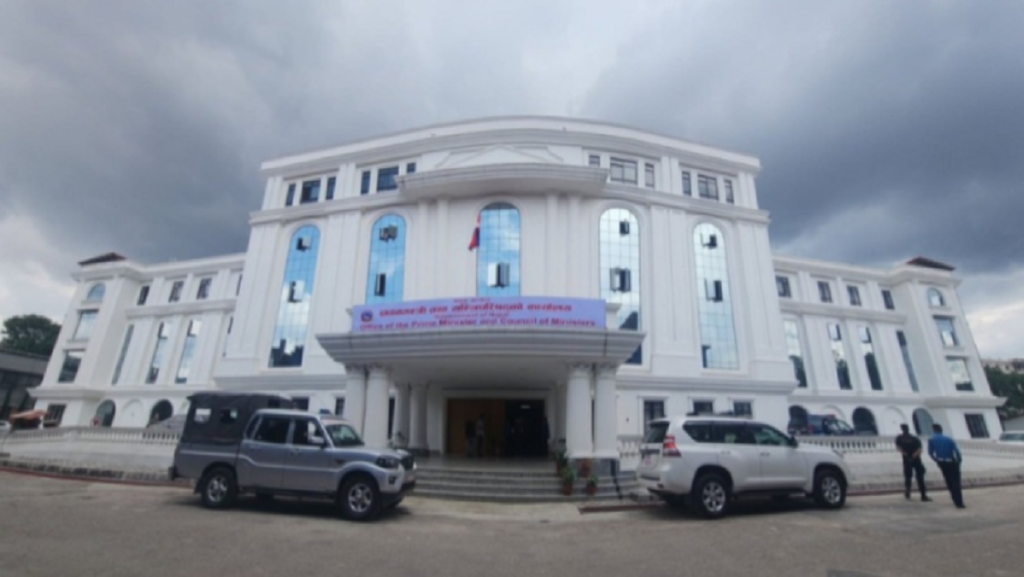
The Office of the Prime Minister and Council of Ministers has directed government secretaries to work on a fixed timeline and take effective measures to get Nepal off the Financial Action Task Force’s “grey list”, a global watchlist for countries with weaknesses in their efforts to combat money laundering and terrorist financing.
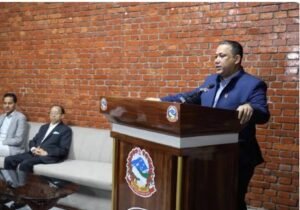
A meeting of government secretaries chaired by chief secretary Govinda Bahadur Karki on Tuesday reviewed the government’s efforts to secure Nepal’s removal from the grey list. Nepal has prepared an action plan to address the deficiencies identified by the FATF, and the meeting decided that all ministries and government agencies must implement the plan effectively and within the prescribed deadlines.
The Prime Minister’s Office will regularly monitor implementation and assess whether ministries and agencies are meeting the commitments set out in the action plan. Relevant ministries and agencies will also be required to provide the office’s monitoring team with regular updates on their progress.Nepal was placed on the FATF grey list on February 21, 2025, and has been given a set of measures to complete before it can be removed. The government has two years to address the shortcomings identified by the FATF. Failure to make sufficient progress could increase the risk of Nepal being placed on the FATF’s blacklist, which would make international financial transactions more difficult and raise the country’s financial and reputational risks.
The government has set a target of completing the required reforms by mid-February 2027.
An Asia-Pacific Group delegation of the FATF visited Nepal in May and raised concerns during meetings with government officials about areas where the country had made insufficient progress. The delegation also expressed concern over the slow implementation of Nepal’s action plan.
The areas identified as needing further work include regulation of banks and financial institutions, oversight of cooperatives, banking offences, real estate transactions and precious-metal trading. The delegation also flagged shortcomings in the regulation, investigation and prosecution of corruption, tax evasion, human trafficking and smuggling, environmental and wildlife crimes, and money laundering through shell companies.
The secretary-level meeting also decided to prioritise reforms that require immediate action and can produce tangible improvements for citizens. Ministries and agencies have been instructed to submit regular progress reports to the Prime Minister’s Office.
The meeting also decided to observe Civil Service Day on September 7 at the federal, provincial and local levels. The Ministry of Land Management, Cooperatives, Federal Affairs and General Administration has been tasked with preparing the programme framework.
The secretaries also agreed to review the implementation of governance reform procedures, guidelines, directives and circulars issued by the Prime Minister’s Office, as well as progress made under them.
The meeting further decided that ministries and agencies should resolve policy and administrative problems affecting their work through coordination among the relevant secretaries. Issues that cannot be resolved at that level should be referred to the Prime Minister’s Office for coordination and a decision.
The government has also designated fiscal year 2026-27 as the “Year of Lawmaking and Reform”. The meeting called for existing laws to be updated or repealed where necessary and for new legislation to be drafted to reflect current needs.
It also directed ministries and agencies to immediately begin public procurement procedures for programmes and projects covered by the government’s “zero-day procurement policy” where procurement processes have not yet started.
The decisions come as the government faces pressure to demonstrate concrete progress on the reforms required for Nepal to exit the FATF grey list within the agreed timeframe.