Cyclonic System to Impact 28 Districts Across Nepal From October 28 to November 1
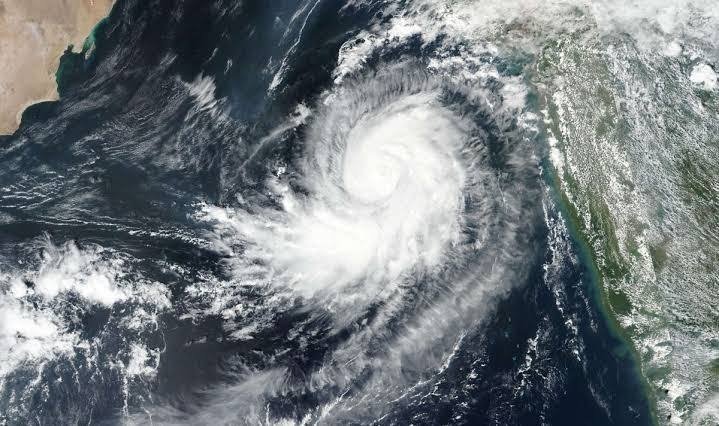
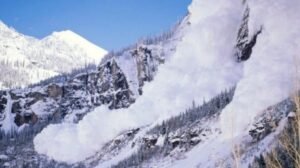
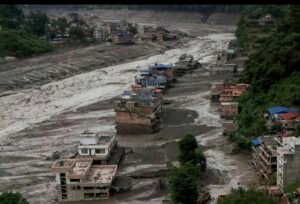
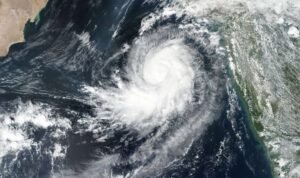
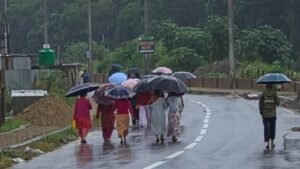
Clear post-monsoon skies across Nepal could soon yield to unsettled conditions as a developing cyclonic storm over the Bay of Bengal threatens to bring widespread rainfall and high-altitude Himalayan snowfall between October 28 and November 1. According to a special bulletin issued by the Department of Hydrology and Meteorology, a low-pressure system that formed over the east-central and adjoining southeastern Bay of Bengal is projected to intensify into a depression and subsequently develop into a cyclonic storm by Monday as it moves toward the coast of northern Andhra Pradesh and southern Odisha. While meteorologists emphasize that it remains too early to pinpoint exact precipitation totals, experts warn that the incoming system—potentially interacting with an upper-level atmospheric trough—poses significant risks to the nation’s agricultural and tourism sectors. Meteorologist Binod Pokharel cautioned that heightened weather risks are anticipated across Kathmandu and 28 districts spanning Koshi, Madhesh, Bagmati, Gandaki, and Lumbini provinces, with heavy downpours and hail possible, particularly on October 30 and 31. Regions such as Manang also require heightened vigilance due to the threat of adverse high-altitude conditions. In response to the looming storm, climate and environmental experts alongside government officials have urged farmers across Nepal to expedite the harvesting, drying, and securing of standing paddy crops to prevent severe agricultural losses. Concurrently, authorities and meteorologists have strongly advised mountaineers, trekking agencies, and tourists to exercise extreme caution and temporarily suspend high-altitude trekking expeditions in the Himalayas during this week-long window of unpredictable weather. Although Nepal’s monsoon officially withdrew on October 14 allowing clear skies for Dashain celebrations, this impending post-monsoon cyclonic system serves as a stark reminder of changing regional climate dynamics, requiring proactive safety measures and sustained monitoring from both local agricultural communities and international adventure tourists navigating the high-altitude Himalayan terrain.