AEPC Spearheads Capacity Building for Industrial Solar Photovoltaic and Battery Storage Technologies in Nepal
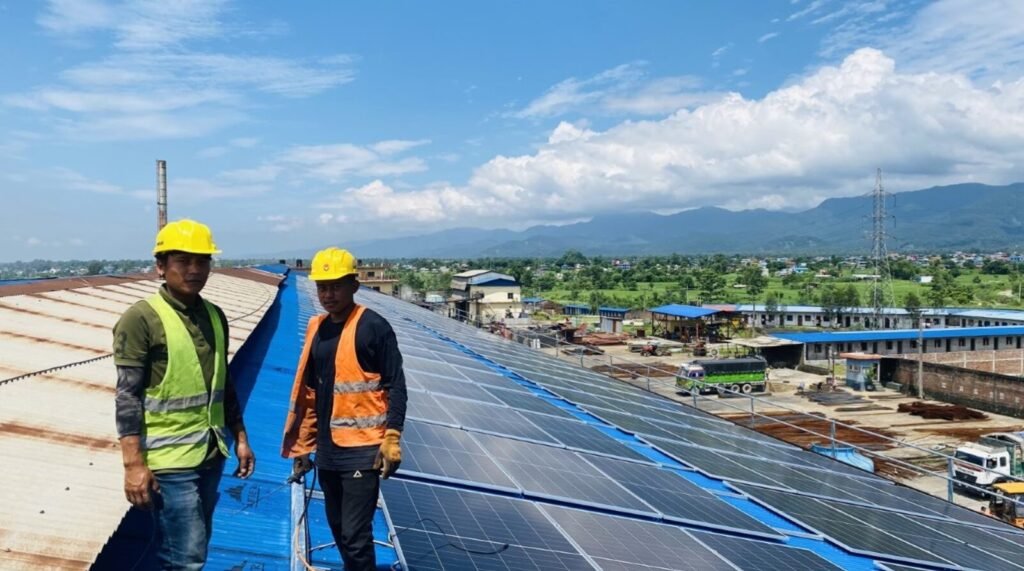
The Alternative Energy Promotion Centre (AEPC), operating in active collaboration with the Grid Resilience through Intelligent Photovoltaic Storage 2 (GRIPS 2) Project, has successfully trained forty-five professional engineers in advanced solar photovoltaic and battery energy storage systems specifically tailored for industrial applications across Nepal. Conducted as an intensive five-day practical training program, the initiative brought together qualified engineers representing more than twenty-five prominent public and private institutions to comprehensively master the intricate domains of design, installation, operational management, safety protocols, and long-term maintenance concerning industrial-scale solar PV and robust battery storage technologies. The specialized capacity-building program was expertly led by renowned international battery energy storage systems master trainer Dr. Bhawani Singh Rathore under the overarching framework of the institutional partnership between AEPC and GRIPS 2. According to program organizers, the primary objective of the GRIPS 2 project is to significantly expand intelligent energy-storage technologies throughout Nepal, highlighted by milestone initiatives such as the ongoing development of a 2 megawatt by 4 megawatt-hour battery energy storage system alongside a 924 kilowatt-peak solar photovoltaic smart microgrid dedicated to Laxmi Steel Industries. Emphasizing the broader economic and environmental significance during the concluding session, AEPC Executive Director Nawa Raj Dhakal stated that rapidly expanding modern energy-storage infrastructure remains vital for accelerating Nepal’s national clean energy transition and enhancing industrial resilience against power disruptions. He further noted that equipping domestic engineers with specialized technical expertise will directly improve national grid flexibility, foster meaningful industrial decarbonization, and optimize peak-demand management. Echoing these sentiments, Practical Action Nepal Country Director Pooja Sharma stressed that Nepal’s forward-looking transition toward smart, sustainable, and inclusive industrial development fundamentally depends upon cultivating a highly skilled domestic workforce capable of deploying and managing cutting-edge energy-storage systems. Furthermore, organizers highlighted that strengthening local expertise in battery storage has become critically urgent as recurring extreme weather events, severe floods, and devastating landslides continue to impact electricity transmission infrastructure across the mountainous country, making trained professionals indispensable for a decentralized, climate-resilient energy future.