Nepal’s Himalayan Climate Push Falls Short at COP31
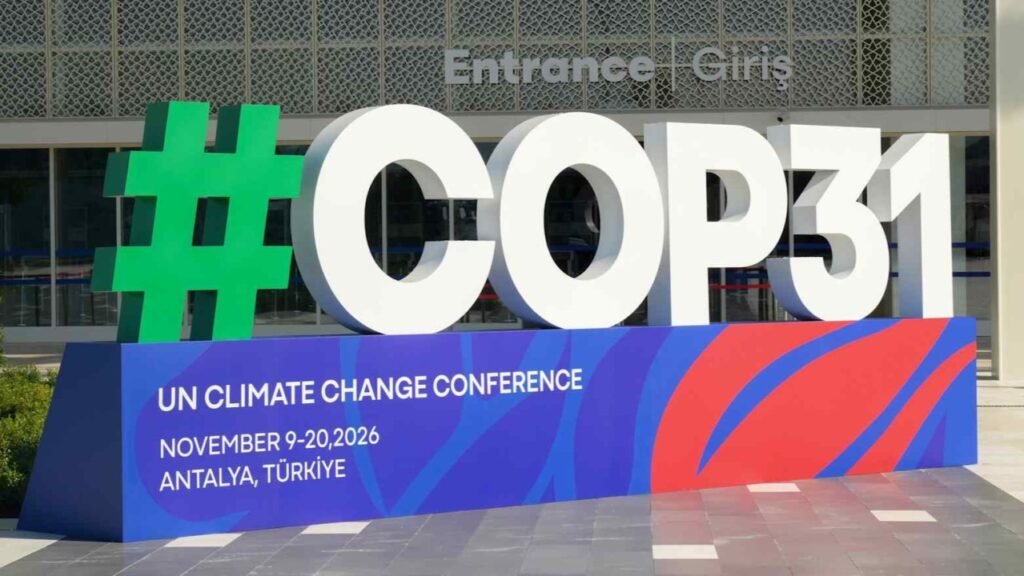
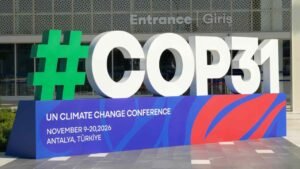
Nepal’s diplomatic efforts to secure a distinct space for the climate crisis facing the Himalayas and other mountainous regions within global climate negotiations have suffered a setback. The ‘mountain agenda’ failed to gain formal recognition at the United Nations Climate Change Conference (COP31).
Speaking to the Press Trust of India (PTI) on Tuesday during a summit in Antalya, Foreign Minister Shishir Khanal stated that, in the absence of support from key negotiating blocs, Nepal and other mountainous nations will need to continue their struggle to have their concerns formally acknowledged.
Khanal noted that while some countries openly supported the proposal introduced on Monday, others remained hesitant. This highlights that building a consensus on climate concerns specific to mountainous regions within the UN climate negotiation process remains a significant diplomatic challenge.
Nepal, Bhutan, and Kyrgyzstan had requested the inclusion of ‘mountains and climate change’ as a separate agenda item at COP31. Nepal and Bhutan jointly presented a proposal titled “1.5°C Warming in Mountains,” while Kyrgyzstan suggested establishing an annual dialogue on mountains and climate change under the United Nations Framework Convention on Climate Change (UNFCCC). Neither of these proposals was granted a place as a distinct, formal agenda item.
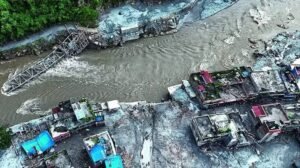
This setback comes at a time when Nepal has been attempting to forge a broad coalition of mountainous nations and bring the rapidly worsening climate crisis in the Hindu Kush-Himalayan region into the mainstream of international climate negotiations.
However, the failure to secure a separate agenda item does not mean the issue has been abandoned entirely. The COP31 presidency has agreed to continue discussions on the subject of mountains and climate change. Furthermore, this topic is expected to be the subject of discussion and research during the United Nations climate meetings scheduled to take place in Bonn, Germany, in 2027 and 2028.
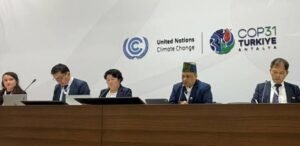
Speaking at the plenary session on Monday, Khanal acknowledged that despite positive engagements with the conference presidency and other nations, the progress made in the negotiations has fallen short of Nepal’s expectations.
He urged the COP31 presidency to ensure that concerns related to mountain regions are incorporated into the conference’s final decisions and future discussions. He highlighted three key priorities: recognizing the urgent need to limit global warming in mountain regions to 1.5°C; establishing a dedicated work programme on mountains and climate change under the UNFCCC; and integrating mountain-related indicators into global climate adaptation and finance frameworks.
Nepal also advocates for the inclusion of mountain-related priorities within the ‘Global Goal on Adaptation’ (GGA) and the ‘New Collective Quantified Goal on Climate Finance’ (NCQG)—both of which are critical frameworks within the United Nations climate process.