Nepal Seeks India-China Cooperation to Tackle Growing Himalayan Climate Threats
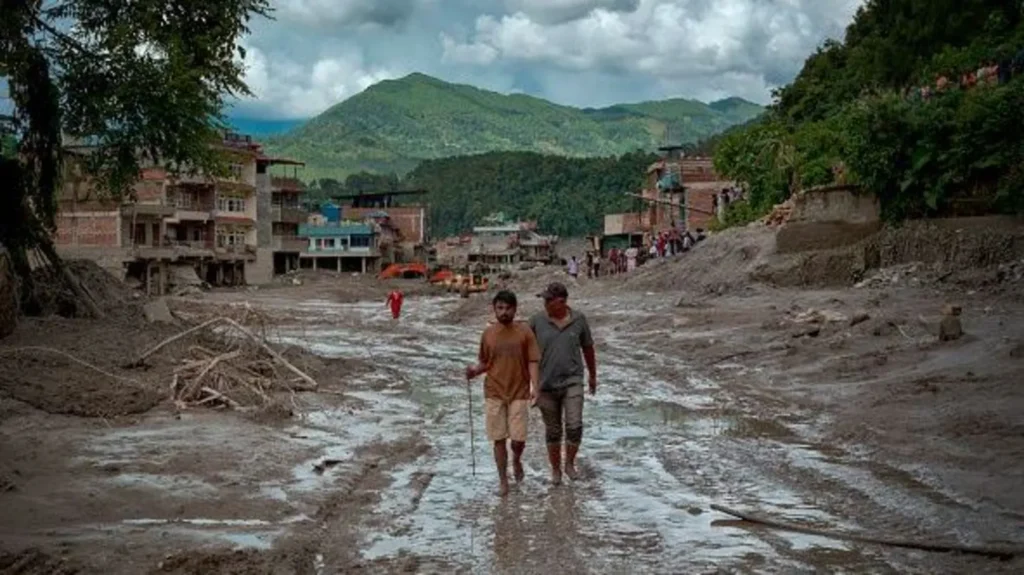
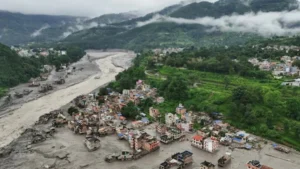
With melting glaciers, thawing permafrost and glacial lake floods posing an immediate threat across the Himalayas, Nepal has proposed a new climate-resilience mechanism to bring India and China together. Prime Minister Balendra Shah unveiled the plan at the United Nations General Assembly after devastating floods struck Nepal in August, urging the three countries to cooperate on disaster management, scientific research, data sharing and early-warning systems. The proposal carries wider regional significance because climate-driven landslides, avalanches and floods can cross borders, endangering communities, infrastructure and livelihoods throughout the Himalayan region.
Despite the urgent need for cooperation, political tensions and unresolved border disputes between India and China remain major obstacles. Previous efforts to conduct joint glacier research and share river-flow data have made limited progress, while concerns over national security have restricted information exchange. Experts suggest that the three countries could begin by jointly identifying high-risk glacial lakes, improving disaster monitoring systems and sharing early warnings. Although Nepal’s proposal is still at an early stage and neither India nor China has formally responded, analysts believe improved diplomatic relations could create opportunities for collaboration. The key challenge will be convincing the two regional powers to set aside their differences and work together to protect the Himalayan region from escalating climate risks.