Why Parliament Matters: Pillar of Democracy and Accountability
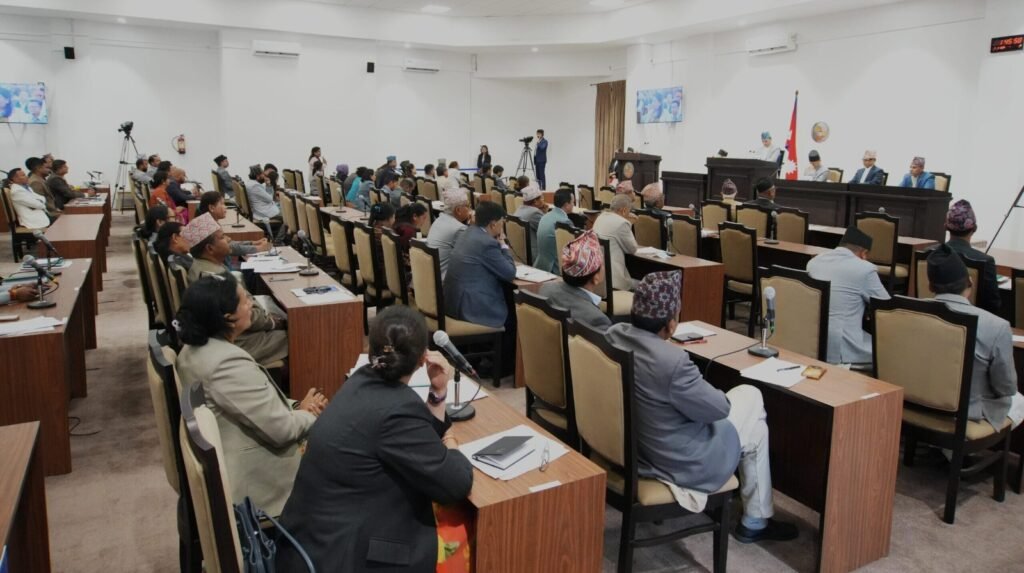
The textbook reflects on a Nepali folk tradition intertwined with contemporary political commentary. It begins with a particular disquisition of a traditional folk lyric, illustrating the sportful question- and- answer exchange at marriages, specially the question about the purpose of marriage guests. Despite the artistic significance of these relations, the author expresses confusion over the genuine part of these guests, leading to a broader reflection on the function of administrative members in the current political geography of Nepal.
The narrative fleetly transitions to the fate of the recent administrative choices where a single party gained a two- thirds maturity. still, political chaos replaced when the President halted a administrative session, leaving members without clear direction or purpose. The textbook draws parallels between the putatively frivolous nature of marriage guests and the nebulous part of parliamentarians, questioning the necessity of a performing congress when a many ministers and the administration feel sufficient to govern.
also, the government’s rapid-fire dispatch of bills to the President calls into question the real function of legislative places. The discussion prompts considerations of indigenous emendations and the ongoing debate about the businesses’ actuality and mileage. The author suggests that the precedence should n’t be on the fiefdom’s structure but on larger systemic issues. Eventually, the textbook emphasizes a critical question what’s the real purpose of members of Parliament if governance appears to operate with minimum legislative oversight? This resonates with the earlier conceit of marriage guests, challenging the notion of their essential presence in a form, much like the Parliament in current governance.