Nepal Seeks Grant-Based Climate Finance at COP31 While PM Shah Directs Lawmakers on BRI and Economic Cooperation
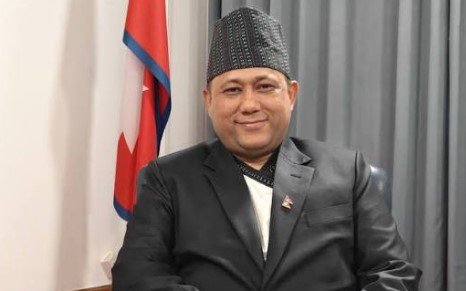
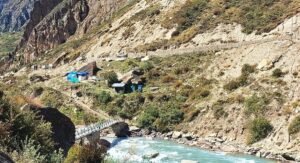
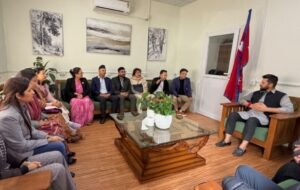
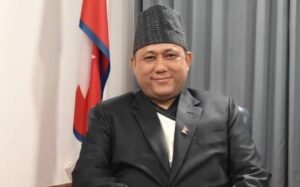
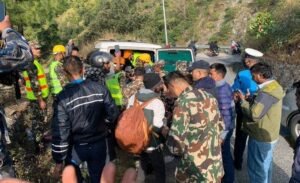
Minister for Foreign Affairs Shisir Khanal returned to Kathmandu on Saturday after leading Nepal’s official delegation at the COP31 global climate conference in Antalya, Türkiye, where he championed the protection of fragile mountain ecosystems and demanded grant-based climate finance rather than burdensome loans for developing nations. Throughout the high-level international summit, Khanal underscored the disproportionate vulnerability of the Himalayas to accelerated glacial melt and climate-induced disasters, urging wealthy nations to fulfill their financial commitments through accessible grants that do not deepen the debt stress of climate-vulnerable countries. Meanwhile, on the bilateral diplomatic front in Kathmandu, Prime Minister Balendra Shah held a crucial briefing with a 20-member delegation of Rastriya Swatantra Party (RSP) lawmakers ahead of their scheduled departure to Beijing on Sunday. During the meeting, Prime Minister Shah firmly instructed the visiting parliamentarians to place Nepal’s overarching national interests at the absolute center of all deliberations with Chinese counterparts, particularly when discussing the Belt and Road Initiative (BRI), ongoing and proposed Chinese-funded infrastructure projects, bilateral tourism promotion, and broader economic cooperation. Notably, this legislative outreach to Beijing comes just days before Prime Minister Shah is set to embark on his own high-profile official visit to New Delhi on November 22, signaling Kathmandu’s concerted effort to maintain a pragmatic, balanced, and mutually beneficial diplomatic equilibrium with both of its giant neighbors. However, even as the government navigated major international climate advocacy and regional geopolitics, domestic grief and public outrage gripped Makwanpur district following a devastating electric vehicle (EV) crash that claimed 14 lives. Bereaved families of the 14 victims have refused to receive the bodies of their loved ones, staging protests to demand fair and adequate financial compensation alongside a thorough, impartial investigation into the root causes of the fatal accident, including potential mechanical failures, road safety lapses, and regulatory oversight. Taken together, Saturday’s developments illustrate the multifaceted pressures confronting Nepal’s leadership—balancing assertive global advocacy for mountain climate justice and calibrated diplomatic engagement with both China and India, while simultaneously addressing urgent domestic demands for accountability, road safety reform, and justice for grieving families at home.