Nepal Marks Conclusion of Chhath Festival Amid Global Investment Push for Hydropower-Backed Green Urea
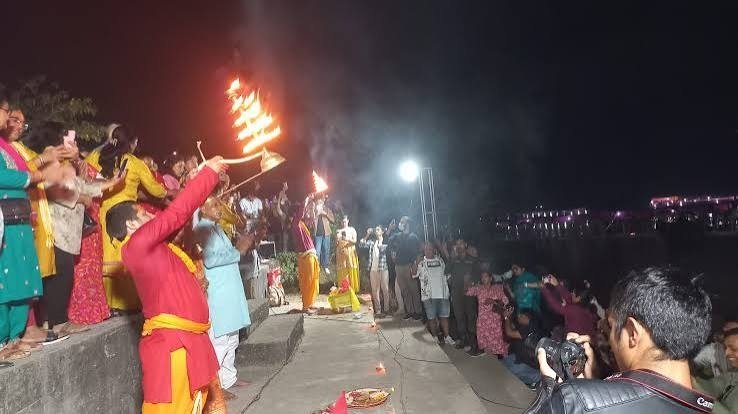
Religious devotion, ambitious green industrial planning, and mounting political scrutiny converged across Nepal on Monday as the vibrant four-day Chhath festival came to a sacred close alongside major economic and administrative developments. Across the Tarai-Madhes plains and various parts of the country, thousands of devotees gathered along riverbanks, ponds, and specially decorated ghats at dawn to offer arghya to the rising sun, marking the culmination of days of rigorous fasting, rituals, and prayers for family prosperity and well-being, with the federal government declaring a nationwide public holiday on Monday, November 16, to facilitate the celebrations. Shifting focus from cultural observance to long-term economic self-reliance, the government has formally launched an international appeal inviting global investors to partner in establishing a landmark green hydrogen-based chemical fertilizer industry. Under the ambitious blueprint, Nepal aims to harness its abundant domestic hydropower resources to produce 500,000 metric tonnes of green urea annually within the next five years, a strategic initiative designed to eliminate chronic seasonal fertilizer shortages, curb costly agricultural imports, and establish a sustainable, low-carbon industrial base powered entirely by clean renewable energy. However, even as policymakers championed forward-looking economic reforms, political controversy cast a shadow over the Prime Minister’s office as serious questions emerged regarding the conduct of Prime Minister Balendra Shah’s Chief Adviser, Kumar Byanjankar. Public and political scrutiny intensified following reports revealing that Byanjankar retained the mobile phone belonging to Inam Sapkota at his private residence for two full days before finally handing the device over to authorities for official forensic examination, raising pressing concerns over procedural propriety, chain-of-custody integrity, and potential interference in sensitive investigative matters. Taken together, these unfolding events reflect the dynamic and multifaceted landscape currently shaping public life in Nepal—uniting deep-rooted cultural traditions that bring communities together across the Tarai-Madhes and beyond, bold policy efforts to leverage hydropower wealth for agricultural and industrial transformation, and heightened public demand for transparency and institutional accountability at the highest levels of government administration.