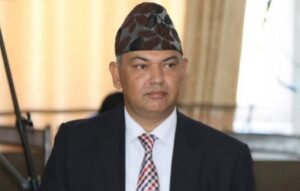
Money Laundering Probe Unmasks Deepak Bhatta, the Broker Who Influenced Nepal’s Highest Offices
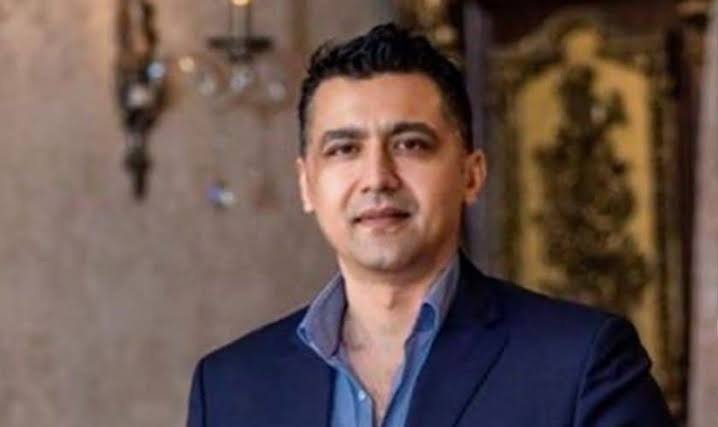
For over two decades, Deepak Bhatta operated as Nepal’s most influential yet invisible power broker, cultivating extraordinary access across the nation’s political, bureaucratic, and security elites without ever holding formal public office. Born in Dadeldhura in 1981 into a family with deep political and civil service connections, Bhatta leveraged his family’s ties—most notably a kinship-like bond between his father Chaturbhuj and former Prime Minister Sher Bahadur Deuba—to gain entry into the inner circles of top leaders across political spectrums, including CPN-UML’s KP Sharma Oli and Maoist leader Pushpa Kamal Dahal. His career began in earnest after surviving a 2005 CIAA corruption inquiry involving an Israeli chemical fertilizer contract, after which he quickly established himself as a dominant local agent for government procurements, military equipment, weapons, and aviation contracts. Registering Infinity Holdings in 2008, Bhatta expanded his commercial empire across real estate, hydropower, insurance, and financial consultancy, often structuring investments through subsidiaries to obscure true ownership while asserting private influence over regulatory bodies like the Securities Board of Nepal and the Nepal Insurance Authority. His reach was so pervasive that senior ministers were frequently kept waiting outside prime ministerial offices while Bhatta met privately inside, earning him a reputation among political insiders as a kingmaker who could align rival party factions, manipulate cabinet appointments, and bypass administrative gatekeepers at will. However, Bhatta’s unchecked influence unraveled dramatically following a major money-laundering investigation launched in early 2026, which exposed intricate financial networks, suspicious land transactions, illegal credit-based stock trading, and market manipulation involving entities like Jagdamba Steels and Bhrikuti Stock Broking. Prosecuting authorities subsequently filed multiple criminal cases against him, with financial claims totaling nearly Rs 27 billion for banking offenses, securities fraud, and insurance violations. On April 2, 2026, Nepal Police’s Central Investigation Bureau arrested Bhatta at an office near Gairidhara after he attempted to evade authorities, ultimately bringing him within the very state machinery he had navigated covertly for decades. Even while in custody, further investigations into phone records unraveled additional intermediary networks connecting Bhatta to judicial figures and security officials, prompting his transfer to Sindhupalchok prison to prevent further interference. The dramatic fall of Deepak Bhatta marks the unravelling of a clandestine network built on strategic access, corporate leverage, and political patronage that fundamentally shaped governance and public procurement in Nepal.