India secures 4,700MW in Nepal, but little progress on projects
In January 2024, Nepal signed an agreement with India to export 10,000 megawatts of electricity over the next 10 years. For India, a country long regarded as one of the world’s major coal-dependent economies, importing electricity from Nepal is part of its broader effort to decarbonise its power grid.
For Nepal, electricity exports are expected to generate substantial revenue and help narrow its ballooning trade deficit with India. Industry insiders view the arrangement as a win-win for both countries. Nepal has awarded several hydropower projects to Indian developers, some through negotiated agreements, while Indian energy giants have secured major investments. Nepal is also expanding cross-border transmission infrastructure to facilitate electricity trade.
Yet the projected gains are far from guaranteed.
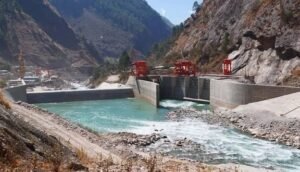
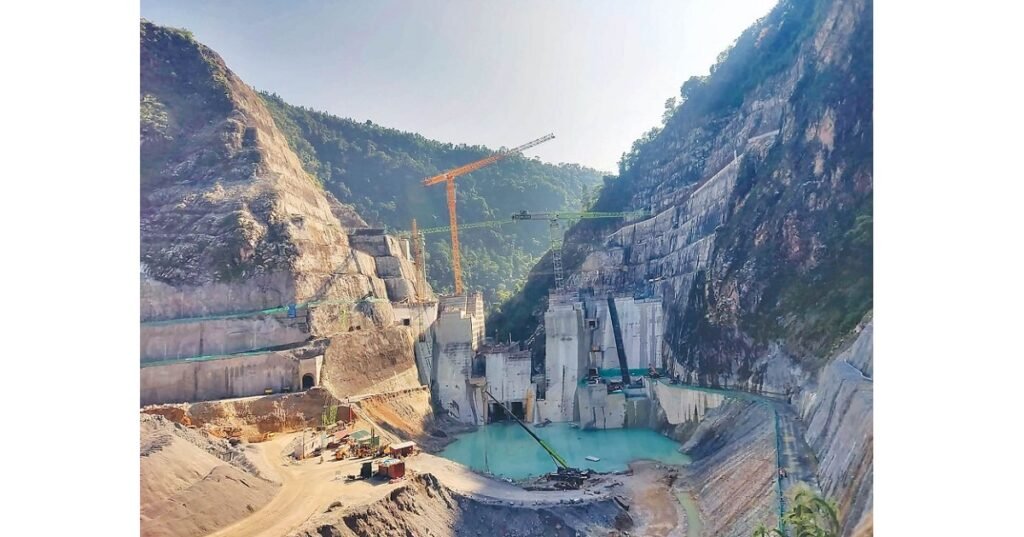
Among the Indian government-owned and private companies that have secured seven major hydropower projects in Nepal, with a combined capacity of around 4,700 megawatts, only one project is currently under construction.
The delays in starting construction raise questions about Nepal’s ability to capitalise on its electricity export potential within the agreed timeframe. They are also likely to push back the revenue Nepal expects to earn from electricity exports.
But former energy secretary Anup Upadhyay says the delays should not be viewed solely as a lack of initiative on the part of developers. Government agencies responsible for facilitating the projects have also failed to complete necessary decisions and procedures on time, he says.