All the information you require on Nepal’s political instability, electoral system, governance structure, and changes to the government since 2008
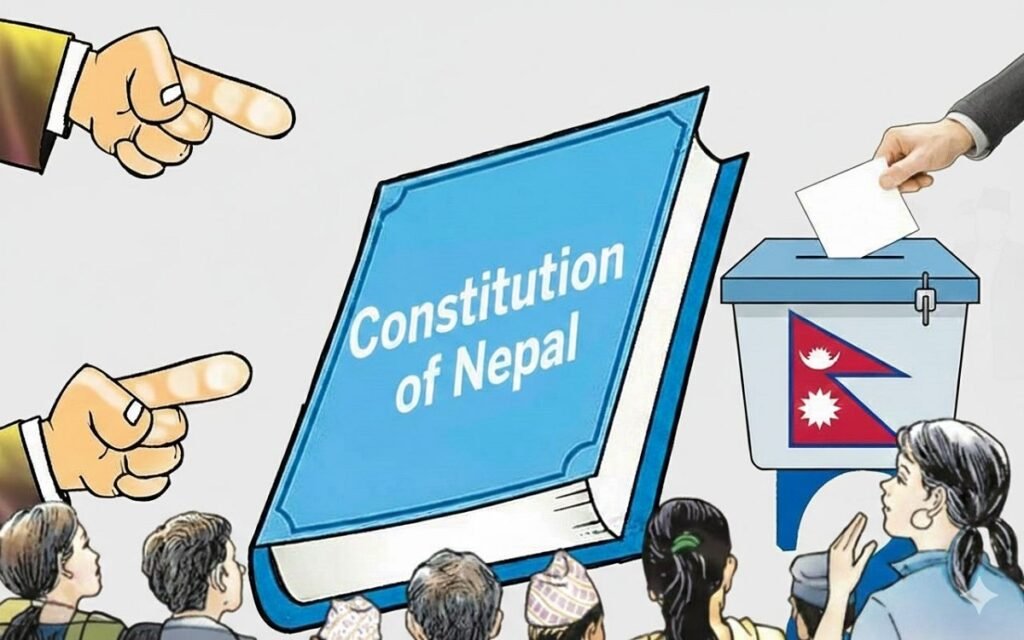
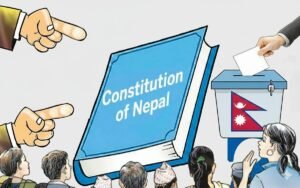
Nepal is preparing for the House of Representatives elections on March 5, amid discussions about the potential for any party to secure a majority within its unique mixed electoral system, established by the 2015 constitution. This system allocates 275 seats—165 through direct elections and 110 via proportional representation—making single-party dominance challenging. Despite mixed electoral systems in other countries occasionally leading to stable majorities, public confidence in Nepal’s political parties remains low, casting doubt on the possibility of sustained control by any single party.
Political instability in Nepal has persisted for decades, evidenced by 29 governments over the past 35 years, a legacy of the monarchy ending in 2008, which transitioned the country to a federal democratic republic. Since 2015, no party has achieved a clear electoral majority, even after temporary unifications like the CPN (Maoist Center) and CPN-UML that sought to consolidate power. Issues such as intra-party conflicts and factionalism have hindered governance, although some leaders suggest a return to full First-Past-The-Post (FPTP) elections might create clearer majorities. Nonetheless, the commitment to inclusion in the constitution complicates this possibility.
The mixed electoral system seeks to harmonize local representation with proportionality, but its success is contingent on the political culture and the level of public trust—key factors that have faltered in Nepal. Comparingly, countries like New Zealand and Japan have managed to achieve stable party governance under similar systems. However, the financial and political strains from Nepal’s expansive federal structure—comprised of multiple layers of government—have added to the instability. The 2015 Constitution has institutionalized numerous inefficiencies while expanding political patronage, leading to a heavily burdened state with over 36,000 paid officials across different levels.
Continual political turbulence, characterized by hung parliaments, fragile coalitions, and constitutional ambiguities, has culminated in 15 successive governments since 2008, none completing a five-year term. Notable leaders include Pushpa Kamal Dahal and K.P. Sharma Oli, both of whom have held power in multiple terms. The prevailing instability has undermined public trust in democracy itself, necessitating significant electoral, constitutional, and institutional reforms to restore confidence and governance effectiveness ahead of the upcoming elections.