Tinkar residents bear the cost of Kathmandu’s border rhetoric
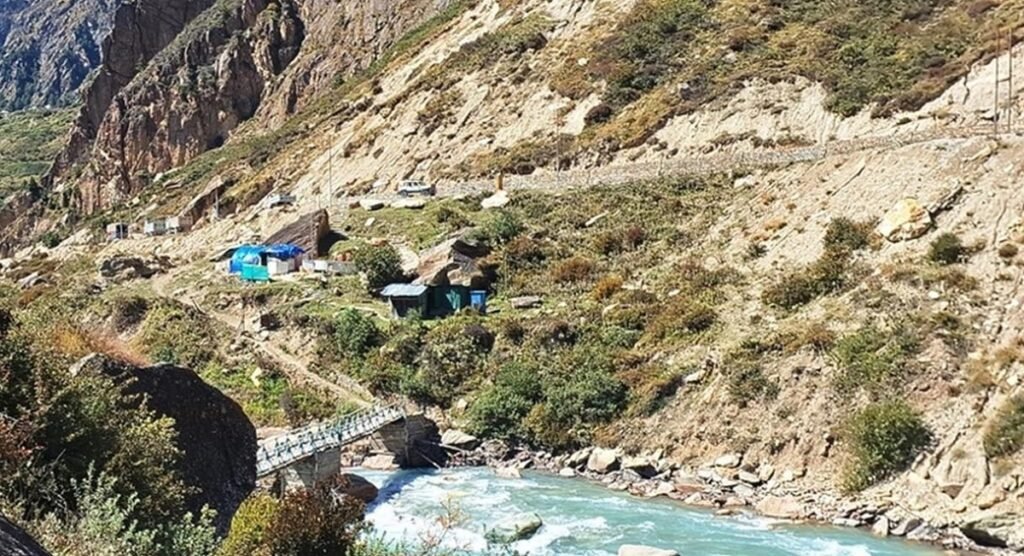
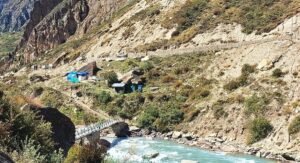
Whenever the dispute over Lipulekh, Limpiyadhura and Kalapani flares up in Kathmandu, residents of Chhangru and Tinkar in Nepal’s far northwest feel the consequences in their everyday lives. The villages, both in ward 1 of Byas Rural Municipality in Darchula, have no reliable road connection to the rest of Nepal. Residents must cross Indian territory to reach the district headquarters, Khalanga, and to bring in essential supplies. When tensions over the border rise, access to that route becomes more difficult.
For people living in these settlements, the political debate in Kathmandu is not an abstract question of territorial sovereignty. It can determine whether they can travel, transport goods or obtain necessities.
Dan Singh Tinkari, 65, a former member of the then district development committee, says residents bear the consequences whenever the border dispute dominates political debate in Kathmandu. Restrictions on movement and the difficulty of bringing essential supplies through India leave families struggling to meet even their daily needs. “They make speeches in Kathmandu. Here, our cooking fires go out,” he says. “It is as if their words burn us here.”
For residents, the alternative route through Nepal is arduous. The journey to Khalanga takes four to five days on foot and is frequently disrupted by monsoon floods and landslides or heavy snowfall in winter. With no reliable road or safe foot trail connecting the settlements to the rest of the country, residents rely on a route through Dharchula in India’s Uttarakhand state.
They need permission from Indian authorities to use it and are subject to checks and questioning by Indian security personnel. When tensions over the border rise, restrictions become tighter, making even routine journeys difficult.