Nepal’s Energy Ambitions Face Hurdles as Major Indian Hydro Projects Stall
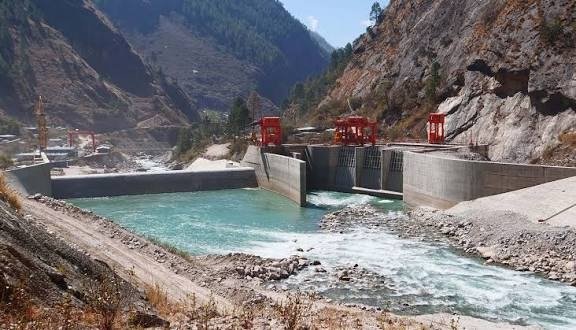
Despite securing landmark bilateral agreements for seven major hydropower projects totaling 4,700 megawatts (MW) in capacity, India’s actual progress on the ground in Nepal remains strikingly slow, raising growing questions over the feasibility of Nepal’s ambitious electricity export goals and the true mutual benefits of its cross-border energy partnerships. Out of the seven high-capacity hydropower ventures officially allocated to Indian public and private sector developers to harness the country’s vast Himalayan water resources, only one project has successfully transitioned into active construction, while the remaining six continue to face significant delays related to detailed project reports, administrative clearances, financing closures, and land acquisition issues. This persistent gap between signed framework agreements and physical implementation on the ground has sparked widespread debate among energy policy experts, regional market analysts, and government stakeholders regarding whether Nepal can realize its target of becoming a major energy exporter to India and Bangladesh over the coming decade. While bilateral trade treaties and long-term power purchase frameworks have laid a strong diplomatic foundation for cross-border power transmission, the sluggish execution timeline threatens to stall economic returns, delay revenue generation for Nepal’s national exchequer, and prolong energy supply constraints across the South Asian sub-region. Furthermore, local communities and industry observers are increasingly evaluating the strategic balance of these agreements, questioning whether the current pace of development aligns with Nepal’s urgent domestic industrial demand and regional energy integration plans. As Nepal aims to position itself as a central clean energy hub in South Asia, resolving structural bottlenecks and accelerating construction across the remaining 4,700MW hydro portfolio will be critical to ensuring that signed deals deliver tangible infrastructure, reliable clean energy, and lasting economic benefits for both neighboring nations.