In Nepal, Reformist PM Balen Shah Faces Criticism Over Sidelining Parliament and Heavy-Handed Governance
Screenshot
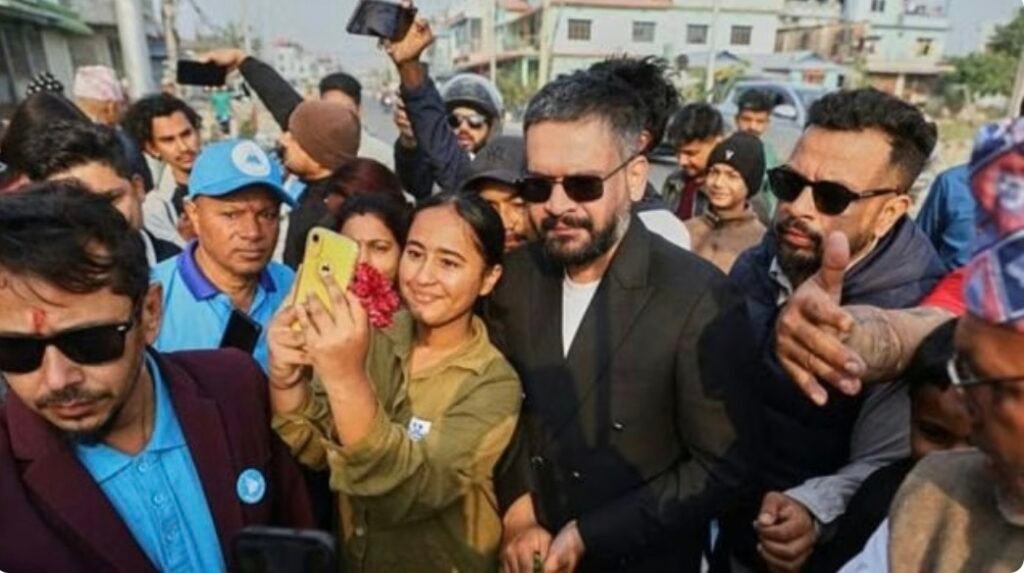
Two decades after deposing the monarchy with promises of enduring democratic governance, Nepal’s political landscape finds itself ensnared in familiar institutional pitfalls under Prime Minister Balendra “Balen” Shah, writes Kathmandu-based contributing editor Yubaraj Ghimire. Despite storming to power on an anti-establishment wave—transitioning from Kathmandu mayor to prime minister following a rare single-party landslide—Shah’s administration is increasingly mirroring the heavy-handed, centralized practices of the legacy parties it promised to replace. In his first six months in office, Shah attended parliament just four times, spoke briefly only twice, walked out during a joint session while the President was still present, and has notably avoided calling on the head of state, treating the legislature much like earlier administrations did: as an inconvenient rubber stamp.
This growing disconnect from parliamentary accountability coincides with escalating political friction and controversial law-enforcement maneuvers. The administration recently came under scrutiny over the warrantless detention of former Chief Justice Cholendra Shumsher Rana—who was released only after police obtained a statement that he was held for his own protection—followed by sweeping investigations and surveillance targeting Rana’s associates over alleged plots to subvert the government in collusion with both opposition figures and ruling Rastriya Swatantra Party (RSP) dissidents. As Home Minister Sudhan Gurung directly oversees these probes without briefing parliament, the government faces mounting internal dissent and questions over democratic norms, demonstrating that decisive electoral mandates alone do not guarantee institutional stability.