Deadly Bhotekoshi Flood Highlights Nepal’s Growing Climate Vulnerability
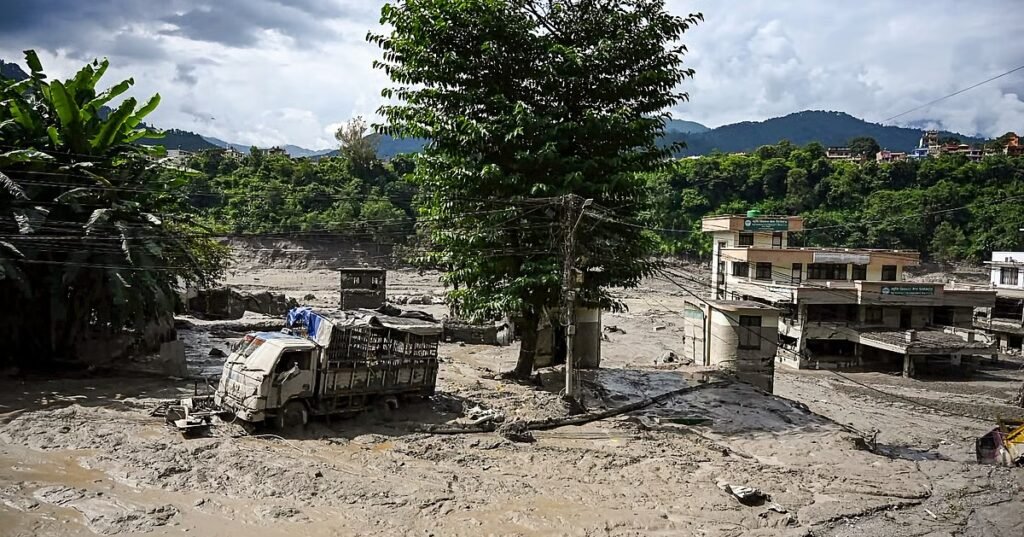
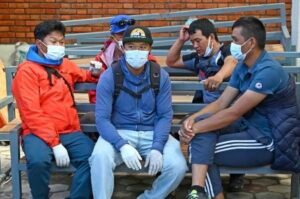
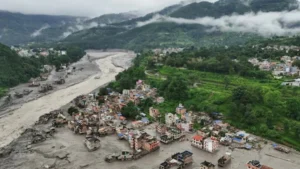
Nepal has urgently appealed to the Fund for Responding to Loss and Damage for financial support following the catastrophic Bhotekoshi River flood of August 26, which caused loss of life, displacement, destruction of homes and critical infrastructure, and severe disruption to essential services and livelihoods. In a letter jointly signed by Finance Minister Swarnim Wagle and Forests and Agriculture Minister Geeta Chaudhary, the government said the full scale of the economic and non-economic losses is still being assessed but preliminary findings indicate that the disaster has exceeded Nepal’s immediate capacity to respond. The government has requested the fund’s board to make a special decision to provide rapid and effective assistance before its next scheduled meeting in December. Officials say support would help finance search, rescue, relief, rehabilitation and reconstruction while setting an important precedent for other climate-vulnerable countries. The disaster has highlighted the risks faced by Nepal’s fragile Himalayan and transboundary river systems, where extreme events in high mountain areas can quickly trigger devastating impacts downstream, threatening communities, infrastructure, food and water security, energy, health and ecosystems. As a least developed and highly climate-vulnerable country that contributes negligibly to global greenhouse gas emissions, Nepal argues that it continues to bear a disproportionate share of the impacts of climate change. The Bhotekoshi disaster has renewed calls for climate justice and stronger international support for vulnerable countries. Nepal’s appeal comes after it raised the broader impacts of climate change before the International Court of Justice in 2024, including threats to its glaciers and snow-covered mountains. Officials now hope an early response from the loss-and-damage fund will translate international climate solidarity into timely assistance for communities affected by the devastating flood.