Provinces struggle to spend development budgets as billions remain idle
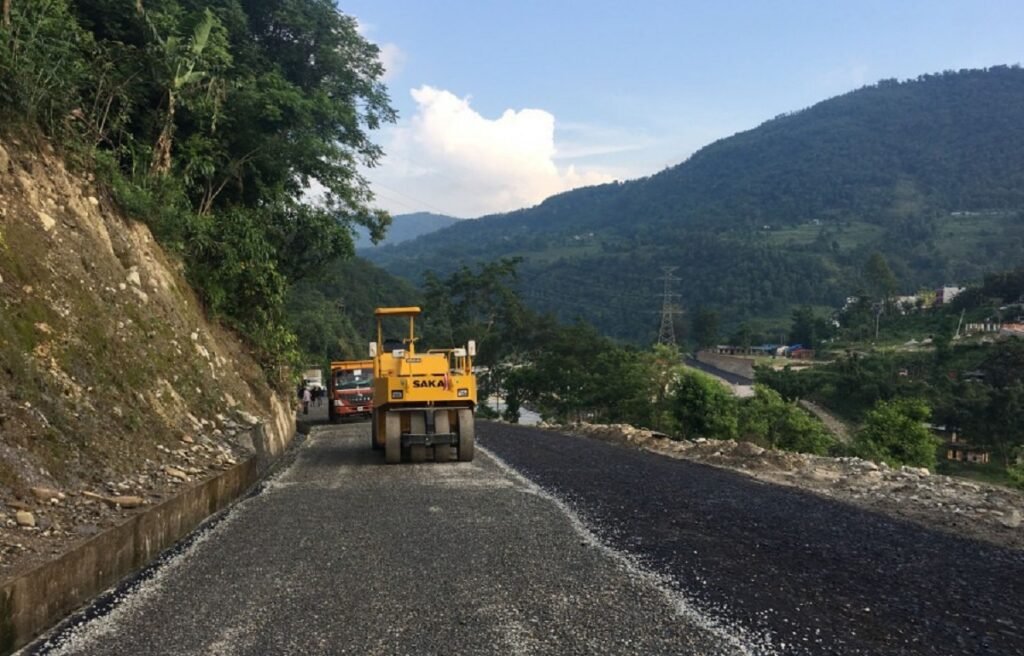
Weak project preparation, staff shortages and poor implementation continue to hold back capital spending.Nepal’s seven provincial governments spent only an average of 61.33 percent of their capital budgets last fiscal year, continuing a long-running struggle to turn development allocations into actual projects.
Although provinces performed better than the federal government, which spent only 46.79 per cent of its capital budget during the same period, economists say the figures reflect a broader failure across all levels of government to translate public spending into economic activity.
Since the introduction of federalism, provincial governments have typically spent only around 55 to 60 percent of their allocated development budgets, according to various studies. Despite occasional improvements, implementation has remained weak, with delays in project preparation, procurement hurdles and shortages of technical staff continuing to limit spending.
Provincial governments have blamed last year’s political disruptions, including the Gen Z protests, the March House of Representatives elections and the subsequent change in government, for slowing budget execution. But economists say those factors do not fully explain the poor performance.
“The Gen Z movement and the election affected the federal government more than the provinces,” said Prakash Kumar Shrestha, former vice-chair of the National Planning Commission. “The main problems are weak preparation, poor project selection, lack of manpower and insufficient commitment to implementation.”
He said governments often announce ambitious budgets without completing the groundwork needed for execution.
“Ministries start preparing procedures, guidelines and procurement documents only after the new fiscal year begins, delaying implementation,” Shrestha said.
The continued inability of governments to spend development funds has also affected the wider economy, he said.
“When capital expenditure remains weak, government money stays idle instead of circulating through the economy,” Shrestha said. “The demand that should be generated through public investment does not happen.”
Koshi leads, Madhesh falls behind
Among the seven provinces, Koshi recorded the highest capital expenditure at 72.21 percent, while Madhesh had the lowest at 54.12 percent.
Bagmati spent 68.74 percent of its capital budget, followed by Gandaki at 67.97 percent, Lumbini at 66.80 percent, Sudurpaschim at 58.32 percent and Karnali at 55.74 percent.
Officials in several provinces cited political uncertainty and administrative challenges for the lower spending.
In Lumbini, the provincial government spent Rs15.68 billion of the Rs23.47 billion allocated for capital projects, using 66.80 percent of its development budget.
Ramji Prasad Ghimire, spokesperson for the provincial government and health minister, said the Gen Z protests, election-related activities and weak coordination between federal and provincial governments affected implementation.
“The protests created uncertainty at the beginning of the budget implementation period,” Ghimire said. “The change in government, political activities, the election code of conduct and elections also affected spending.”