Extreme heat threatens Nepal’s economy as warming accelerates
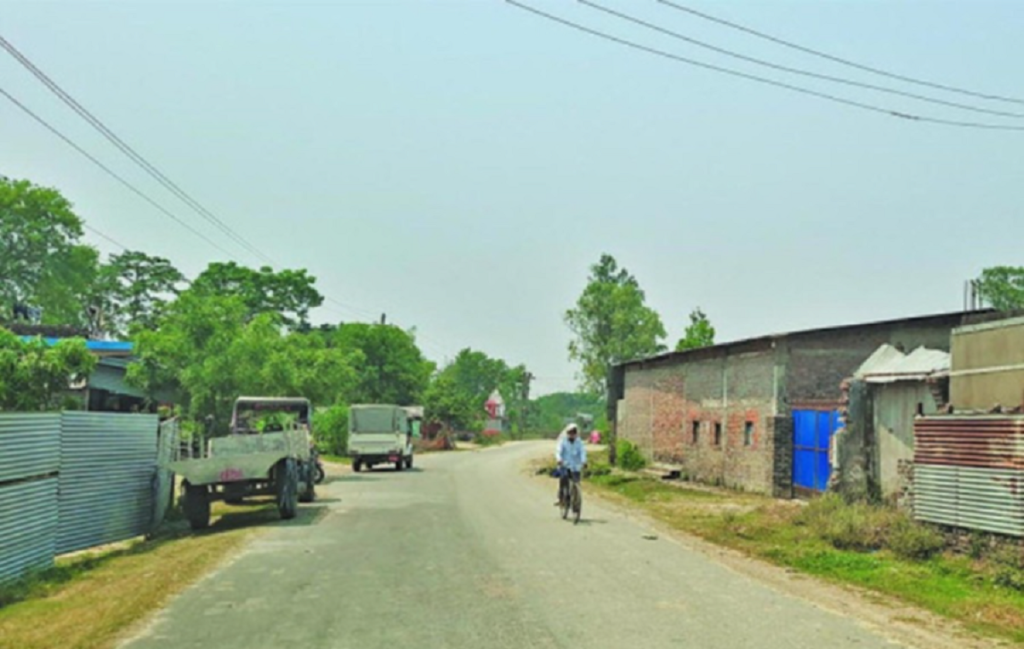
In the scorching mid-June afternoon, as temperatures hovered around 40 degrees Celsius, 67-year-old Gopal Damai was still pulling his rickshaw through the streets of Mahendranagar in far-western Nepal.
For four decades, he has earned his living transporting goods in the three-wheeled cart. But increasingly frequent and intense heatwaves have made that livelihood harder to sustain.
“I only work in the morning and evening. I can’t work during the day,” he told Kantipur Daily in May.
“Some days, I don’t even earn Rs100. I have to buy vegetables on credit.”
The blistering heat has emptied Mahendranagar’s streets. Fewer people venture outdoors during the day, leaving Damai with few customers and even fewer opportunities to earn.
More than 250 kilometres east, in Bardiya’s Gulariya Municipality, 37-year-old Puja Bhujuwa faces a similar struggle.
She spends long hours pushing a cart and selling roasted corn near the district land revenue office.
The heat radiating from the asphalt burns her feet, while the 40-degree temperature leaves her with persistent headaches. Despite the oppressive conditions, she must keep roasting corn over a wood fire to support her family.
“Business was good until April,”Bhujuwa told Kantipur in May. “Since June, the heat has intensified, people have stopped coming out during the day, and our sales have dropped sharply.”
The hardships faced by Damai and Bhujuwa illustrate a broader trend.Extreme heat is no longer confined to Nepal’s southern Tarai. Hill towns and cities, including the Kathmandu Valley, are also experiencing steadily rising temperatures, exposing millions of workers to growing health and economic risks.
In Kathmandu, the heat is increasingly taking a toll on informal and daily wage workers who spend long hours outdoors, often without access to shade, cooling facilities or adequate drinking water.
Nepal, long regarded as a cool Himalayan country, is now emerging as one of South Asia’s fastest-warming nations, according to the World Bank’s 2026 report, A Livable Future: Protecting Jobs and Growth from Extreme Heat in South Asia’s Cities.