Nepal Halts Proposed 3% Equity Tax on Private Healthcare and Education Following Public Backlash
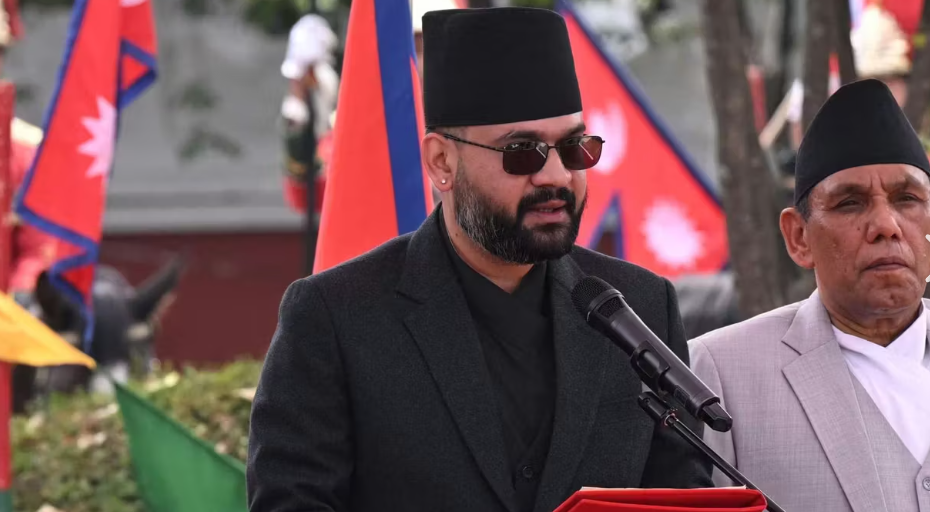
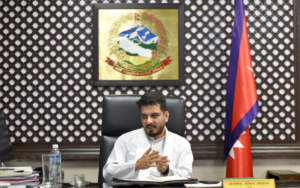
In a major policy reversal, the Nepali government has suspended the implementation of a controversial 3 percent equity tax on private education and healthcare services following widespread public backlash. Announced by Prime Minister Balendra (Balen) Shah after consultations with Finance Minister Dr. Swarnim Wagle, the decision halts the proposed “Education Equity Fee” and “Health Equity Fee” introduced under the fiscal year 2026/27 budget. The levy, scheduled to take effect in mid-July, faced strong opposition from private school operators, healthcare providers, and consumer advocacy groups, who argued that the additional financial burden would inevitably be passed along to students, parents, and patients.
Originally envisioned as a revenue-generating measure to improve basic infrastructure, expand national health insurance, and fund scholarships for marginalized communities in remote regions, the proposed tax drew intense criticism amid broader economic pressures. Reaffirming the administration’s commitment to public welfare and responsive governance, Prime Minister Shah emphasized that the government remains willing to revise policies that create undue financial strain on ordinary citizens. Rather than imposing the 3 percent surcharge, authorities announced they will focus on strictly enforcing existing social quotas, requiring private hospitals to reserve 10 percent of beds for low-income patients and private colleges to allocate 10 percent of seats for underprivileged students.