100 Days into Office, Protests and Broken Expectations Challenge Nepal Prime Minister Balen Shah
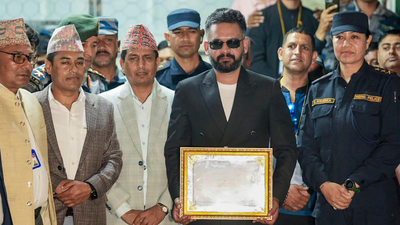
Barely 100 days after sweeping to power in a historic landslide election victory, Nepal’s youngest-ever Prime Minister, Balendra “Balen” Shah, is facing widespread street protests from the very same youth demographic that fueled his political rise. The 35-year-old rapper-turned-structural-engineer came to power in March 2026 leading the Rastriya Swatantra Party (RSP) to win 182 out of 275 parliamentary seats. His victory was born out of the September 2025 Gen Z uprising that forced former Prime Minister KP Sharma Oli from office following violent anti-corruption demonstrations. However, a series of aggressive administrative measures and heavy-handed law enforcement tactics have now turned many of his young supporters into his loudest critics, with some calling for his resignation.
The primary catalyst for the escalating discontent is a nationwide drive to clear informal squatter settlements along the Bagmati riverbanks, displacing over 2,600 families and roughly 15,000 people. Activists and legal experts have slammed the evictions for lacking due process, noting that families were removed before genuine landless status could be verified. Public anger boiled over following the death of Ganesh Nepali and reports of severe police baton-charges against young activists who attempted to monitor squatter conditions. Discontent has also spread to rural sectors, with tomato farmers launching separate protests over crashing market prices and alleged government preference for imports. Compounding the backlash is Shah’s signature approach to governance—avoiding formal press briefings or interviews in favor of cryptic social media updates—leaving citizens questioning the accountability of the anti-establishment administration.