Riwo Exhibition Fosters Cultural Exchange Among Himalayan Communities
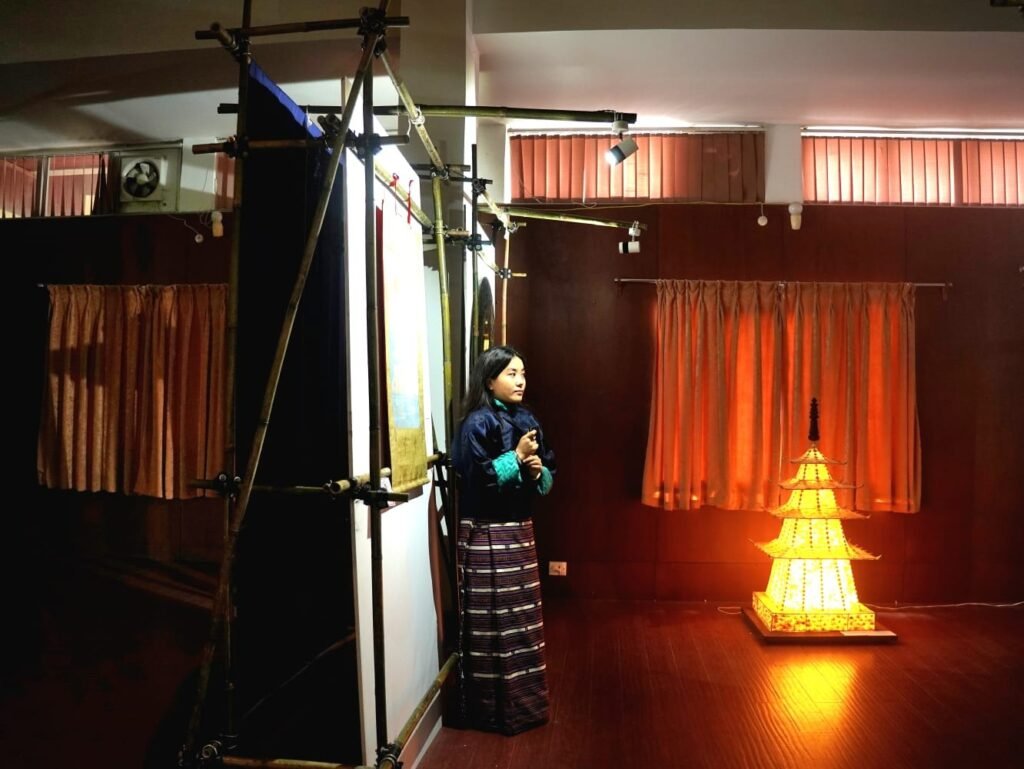
An international contemporary art exhibition featuring artists from Bhutan, Nepal and India has opened in Gangtok, showcasing the growing role of cultural exchange in strengthening ties across the Himalayan region.
The two-day exhibition, Riwo: Identity and Continuity, is being held at the Namgyal Institute of Tibetology from May 29 to 30. It brings together artists, collectives and cultural practitioners from Bhutan, Nepal and Sikkim to explore shared histories, migration, identity and cultural connections through contemporary art.
Organisers said the exhibition seeks to encourage cross-border dialogue by revisiting the historical links that have connected Himalayan communities for centuries. Through its thematic focus, Riwo presents the Himalayas as a shared cultural landscape shaped by trade, spirituality, movement and collective memory.
The exhibition features works by Bhutanese collective Yeti Teeth Art, Nepal-based artists Sandesh Gurung and Manoj Rai, and Sikkim-based collectives and artists including Studio Zeyma, Artworkshop, Tsal and Tshering.
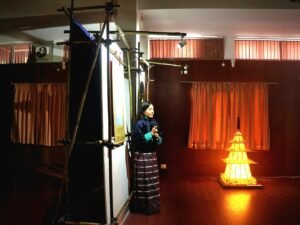
A diverse range of paintings, mixed-media artworks and immersive installations are on display, examining themes such as identity, migration, ecology, spirituality and cultural continuity. The artworks incorporate mineral pigments, ritual-inspired materials, spiritual symbolism and reflections on urban change, folklore and Buddhist philosophy.
Developed through a collaborative effort led by Yeti Teeth Art and Tsal, the exhibition also involved curators, volunteers and cultural practitioners from across the region.
Organisers said the initiative aims to strengthen artistic collaboration and people-to-people engagement across borders while promoting a deeper understanding of the region’s shared cultural heritage.
Following its presentation in Gangtok, Riwo: Identity and Continuity is expected to travel to Bhutan’s Royal Textile Museum and Nepal’s Patan Museum as part of a broader effort to foster regional cultural cooperation across the Himalayan belt.