
Government Orders Immediate Return of Vehicles and Buildings from Former Unions
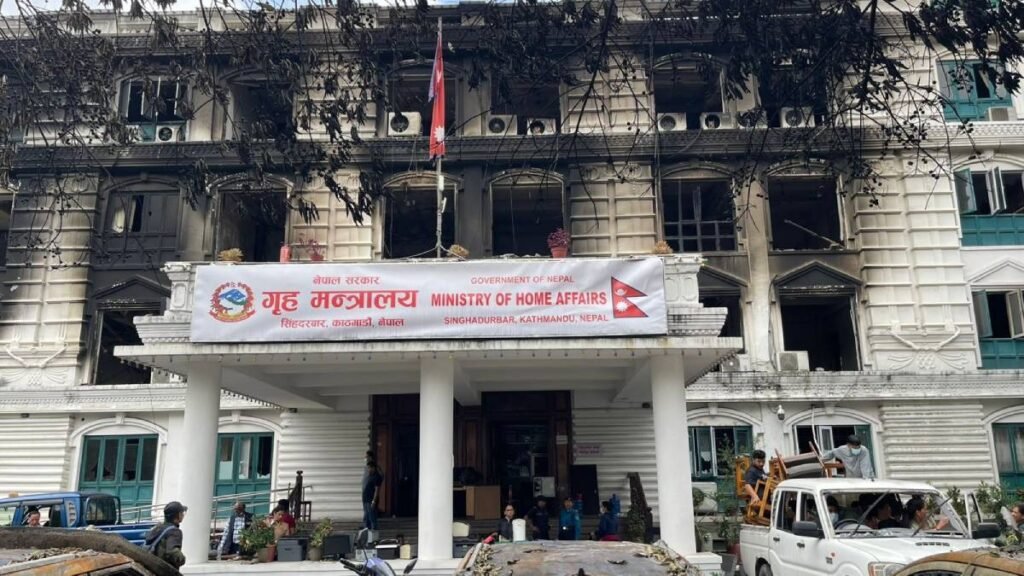
The Ministry of Federal Affairs and General Administration confirmed that the legal framework supporting these unions has been dismantled. Specifically, Section 53 of the Civil Service Act, 2049, which previously granted civil servants the right to form and participate in trade unions, has been repealed. This change was brought about through an ordinance designed to amend several Nepal Acts, effectively ending the legal existence of trade unions within the government’s administrative wings.
Following this legislative repeal, the Ministry has issued a stern directive to all ministries, departments, commissions, and various government agencies. These bodies are now instructed to shut down all local trade union offices without delay. Furthermore, the government has initiated a comprehensive recall of its property. This includes buildings, office spaces, vehicles, and any other facilities or equipment that were previously allocated for union use.
Beyond the recovery of physical assets, the government is refocusing on administrative efficiency. The Ministry has directed all civil servants who were formerly affiliated with or held positions within these unions to immediately resume their officially assigned duties. Government offices have been tasked with managing these personnel transitions to ensure that the workforce is fully integrated back into standard service delivery roles.
Critics and supporters alike are watching the fallout of this decision closely. While the government maintains that this move will streamline the civil service and reduce political influence within the bureaucracy, the dissolution of these representative bodies marks a major departure from long-standing labor practices in the public sector.
As the directive takes immediate effect, the focus now shifts to the implementation phase. Government agencies are expected to provide swift reports on the status of reclaimed assets and the reintegration of staff. This move signals a firm stance by the current administration on centralizing authority and prioritizing direct service over collective bargaining within the civil service.