Voting in Nepal on March 5: An overview of the Gen Z rebellion that led to new elections in the Himalayan country
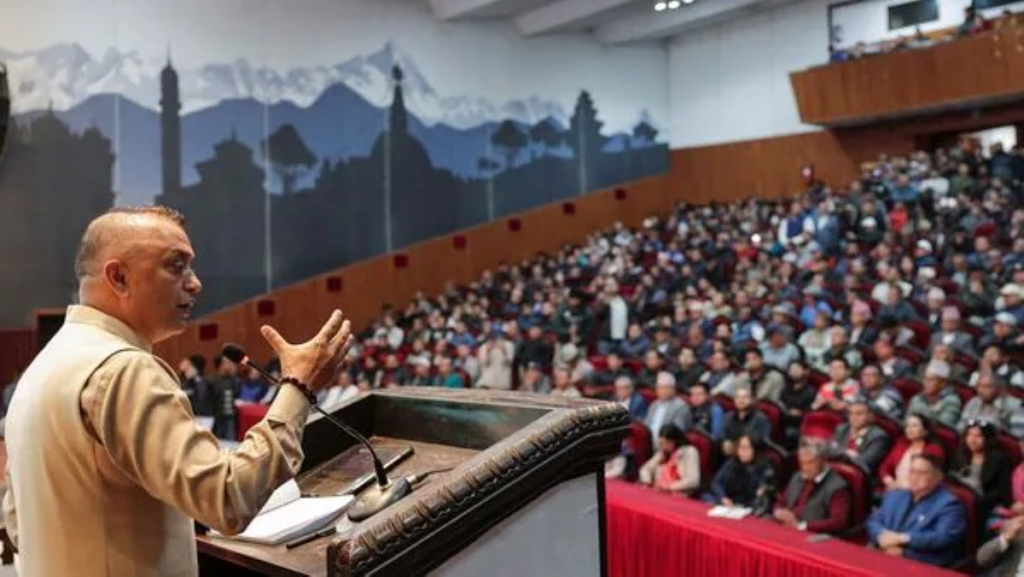
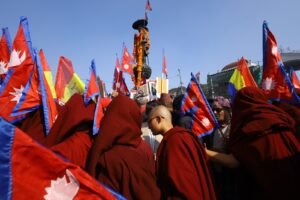
Nearly 3,500 candidates, including 391 women, have filed nominations for 165 seats in Nepal’s upcoming general elections, scheduled for March 5. The elections are a response to former Prime Minister K P Sharma Oli’s resignation following violent protests against his government, which were sparked by bans on social media and allegations of corruption. An interim government led by former chief justice Sushila Karki is overseeing the elections, marking a pivotal moment for the nation’s political landscape, long dominated by veteran leaders post-civil war.
The electoral framework consists of 275 seats in the House of Representatives, with 165 selected through the First Past the Post system and 110 through proportional representation. The total eligible voter count stands at 18,903,689, with significant participation from newly registered voters.
Key political players include KP Sharma Oli, who retains influence within the Communist Party of Nepal, and Pushpa Kamal Dahal of the Nepal Communist Party. The Nepali Congress, led by Gagan Thapa, faces challenges from fresh faces like Rabi Lamichhane of the Rastriya Swatantra Party and his ally Balendra “Balen” Shah, who is campaigning against established leaders.
These elections hold substantial significance for India-Nepal relations, given their shared border and cultural ties. The instability leading up to the elections has raised security concerns for India, highlighting the need for a stable governance in Nepal to manage borders effectively and counter potential threats from outside actors. The outcome is expected to test Nepal’s ability to confront its legacy of corruption and potentially usher in a new era of leadership.