
Rhinos migrate to India due to a lack of water in the BNP
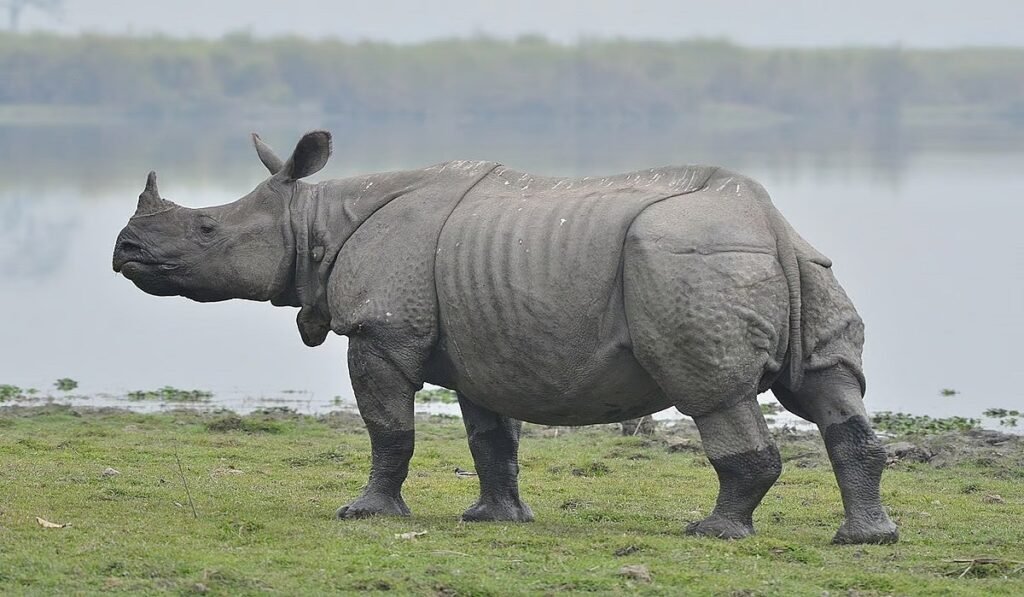
The number of rhinos in BNP has decreased as a result of their five-month absence from India’s Katarniaghat Wildlife Sanctuary, where they sought better habitat. The Geruwa, the river that flows through BNP, has dried up. As a result, the park is experiencing more and more drought. Rhinos depend on meadows, rivers, and other natural water sources to survive. Since the park’s natural streams have dried up, artificial pond construction has started; 182 of these ponds have already been built. When water becomes accessible, the Chief Conservation Officer of the BNP believes rhinos will return.
The park hopes to see the 38 rhinos that were counted in 2021 again after excavating dirt for canals. Since 1986, rhinos have moved to Bardiya, where there have been no poaching cases in 15 years. Due to India’s efforts, Nepali rhinos are drawn to the area by grasslands and water ponds. Conservationist Ram Bahadur Shahi claims that rhinos migrated to India due to the scarcity of water in Nepal and the country’s superior manmade habitat. He warned that until Nepal improves its rhino habitats, the number of rhinos in Bardiya would keep declining.