Recidivism, juvenile justice, and the limits of criminal prediction
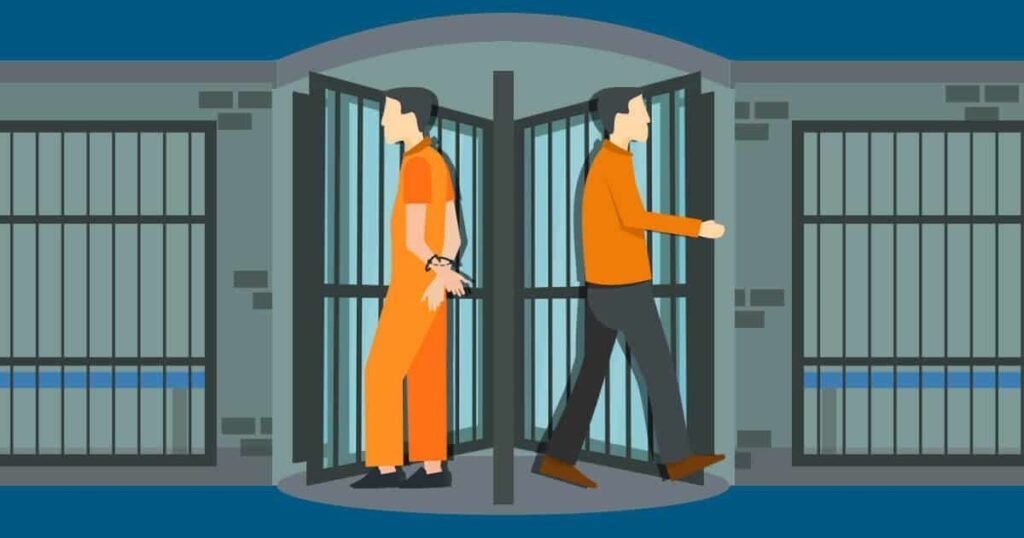
Recidivism is commonly understood as the tendency of an individual to reoffend after being imprisoned, punished, or placed in custody. It refers to repeated criminal behavior by someone who has already been convicted, sanctioned, or undergone rehabilitation. While this may appear routine, recidivism is a complex issue because it reflects the effectiveness, fairness, and credibility of the justice system rather than simply individual wrongdoing.
In Nepal, persistent gaps in law enforcement, judicial efficiency, transparency, and accountability have become evident, particularly following recent political protests and their consequences. Delayed investigations, allegations of excessive force, and concerns raised by international human rights bodies have contributed to public perceptions of impunity and biased justice. When trust in legal institutions erodes, compliance with the law weakens, increasing the likelihood of repeat offending. This does not signify inherent criminal tendencies but rather systemic failure to deter, rehabilitate, and reintegrate offenders.
International human rights standards view recidivism through principles of dignity and reintegration. Instruments such as the ICCPR, the Nelson Mandela Rules, and the Tokyo and Beijing Rules emphasize that punishment alone cannot prevent reoffending. Nepal’s Criminal Code of 2017 acknowledges repeat offences as aggravating factors, reflecting state interests in deterrence and public safety.
Judicial decisions in Norway, the United States, India, and Nepal highlight a shared understanding that juvenile offending should be addressed through rehabilitation, not harsh punishment. Nepal’s Constitution and child protection laws reinforce this approach by prioritizing dignity, development, and reintegration. Ultimately, recidivism—especially among children—signals societal and institutional shortcomings. Addressing it requires investment in support, rehabilitation, and opportunity, not punitive silence.