Protecting the Backbone of Tourism: NMA Calls for Transparency and Strict Monitoring in the Himalayas
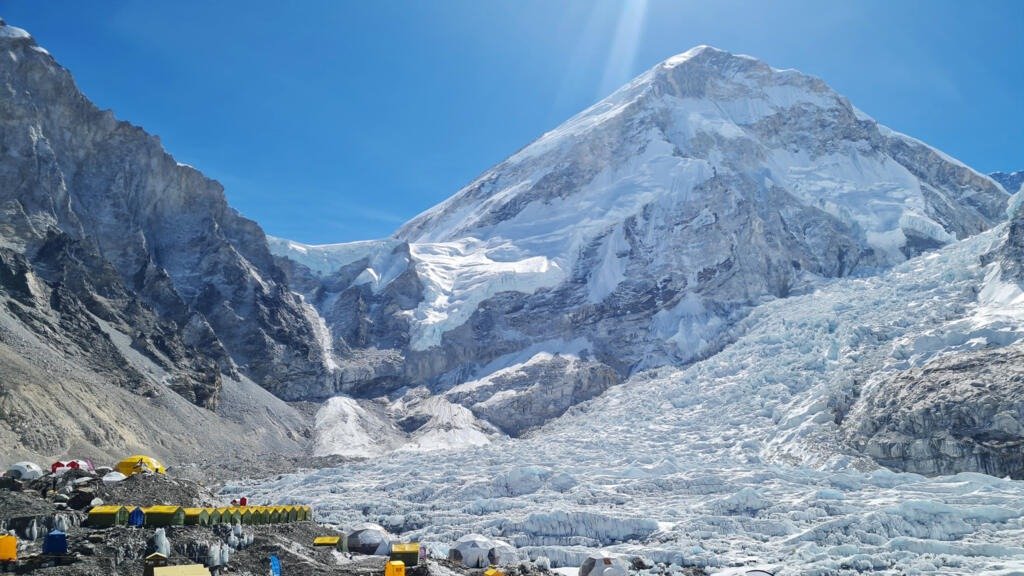
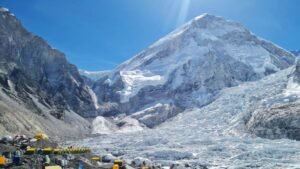
The Nepal Mountaineering Association (NMA) has formally called for a transparent and high-level investigation into recent media reports alleging serious malpractice during expeditions in the Everest region. In a press statement issued on Friday, the association expressed deep concern over claims involving intentional food poisoning and the misuse of the altitude-sickness medication Diamox, describing such allegations as “unimaginable” for the country’s dedicated expedition stakeholders.
The NMA emphasized that Nepal has spent decades building a global reputation as a safe, professional, and reliable destination for high-altitude climbers. As the spring climbing season reaches its peak, the association warned that unverified reports and misinformation could inflict lasting damage on the nation’s image. They stressed that mountain tourism remains the backbone of Nepal’s economy, providing livelihoods for thousands of guides, entrepreneurs, and local workers who depend on the integrity of the sector.
While defending the industry against broad generalizations, the NMA was firm in its stance against misconduct. The association urged the government to take the strictest possible legal action if any unethical or inhumane practices are proven true. By doing so, they aim to separate professional operators from those who may be engaging in fraudulent activities for financial gain.
Central to the NMA’s appeal is the need for more rigorous regulation and monitoring of insurance and rescue operations. The association emphasized the need for close scrutiny of helicopter evacuations and insurance claims to prevent misuse and ensure total accountability. The international climbing community and insurance providers view this move as a necessary step to maintain their trust.
To ensure a safe environment for all, the NMA has encouraged climbers and stakeholders to immediately report any unethical encounters to the appropriate authorities. This includes notifying liaison officers, the Ministry of Tourism, or the Nepal Police. By fostering a culture of whistleblowing and transparency, the association believes the industry can self-regulate and eliminate bad actors.
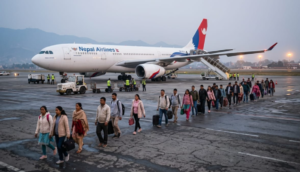
Concluding their statement, the NMA reaffirmed Nepal’s unwavering commitment to providing world-class mountaineering services. They welcomed climbers currently arriving for the Himalayan expeditions and urged all stakeholders to uphold the highest ethical standards, ensuring that the spirit of mountaineering remains untarnished by greed or negligence.