Not even Dalit candidates are present in Madhes’ Dalit-majority constituencies
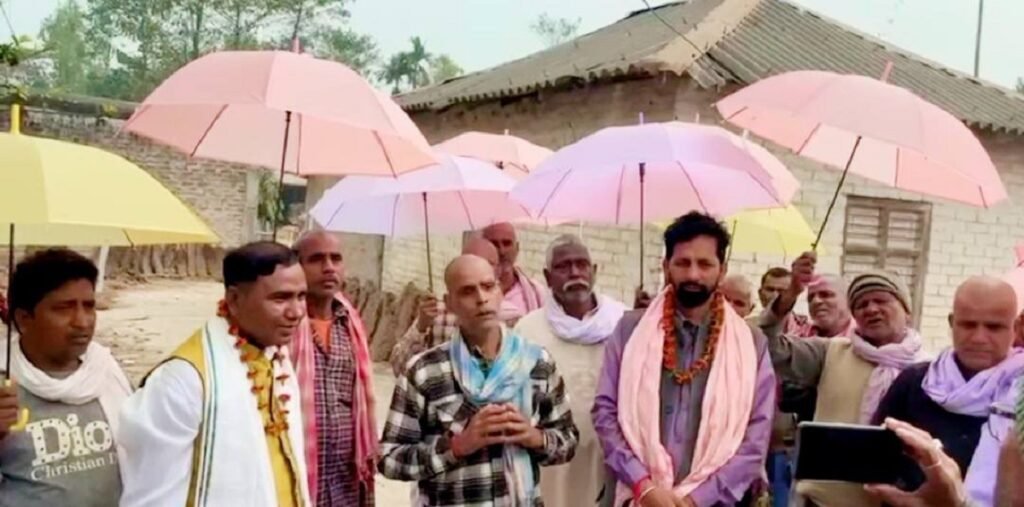
Saptari–3, a constituency in Madhes Province, has the highest population of Tarai Dalits, comprising 25.6% of its 177,606 residents. However, only 22.73% of candidates for the upcoming House of Representatives election are Dalits, with Madhesi candidates making up 45.45%. Among the 22 candidates, just four are Dalits, including Mahadev Ram from the Bahujan Ekata Party Nepal and three independents. In Saptari–1, with a Dalit population of 24.9% out of 190,892, Dalits represent only 9.52% of 21 candidates, with Shyamsundar Sardar from JSP Nepal being the sole Dalit party candidate. Saptari–4 has 24.8% Dalits but only four percent representation among 25 candidates, while Siraha–1, with a Dalit population of 23.1%, presents 12.5% Dalit candidates, including Siria Paswan from the Nepal Workers and Peasants Party.
Further, Siraha–4 has 22.9% Dalits with 27.7% representation; however, only one party candidate, Bishwendra Paswan from Bahujan Shakti Party, exists. In Dhanusha–2, Dalits account for 21.7% of a 214,107 population but make up only 8.82% of 34 candidates. Siraha–3 has 21% Dalits out of 192,286, comprising nine percent of candidates. Mahottari–2, with 20.4% Dalits, has no party candidates. Siraha–2 has a Dalit representation of only 6.9% among 29 candidates.
Across Madhes Province, with a total population of 6,126,288 and 18% Dalits, the representation of Dalit candidates by political parties is notably low, with some constituencies, like Parsa-3 and Sarlahi-4, having no Dalit candidates selected. Dalits, socially and culturally marginalized, face systemic discrimination in candidacy pools due to biased practices within major political parties, as highlighted by activists. Factors include a mindset in parties like UML and Nepali Congress that prevents Dalit advancement, coupled with the economic challenges they face during elections.
Activists underscore that Dalits contend with double discrimination, facing marginalization in society and within political frameworks. Recommendations for candidate selection are often controlled by central party leadership, hindering Dalit voices. The perception of Dalits as less likely to win elections further exacerbates their exclusion, as highlighted by Munni Devi Das and Rajesh Saxena, who note a lack of accountability and representation in party leadership, complicating advocacy for Dalit rights. The expensive nature of electoral processes adds an additional barrier, restricting Dalit candidates.