Nepal’s License Deadlock: 2.7 Million Drivers Still Waiting for Smart Cards
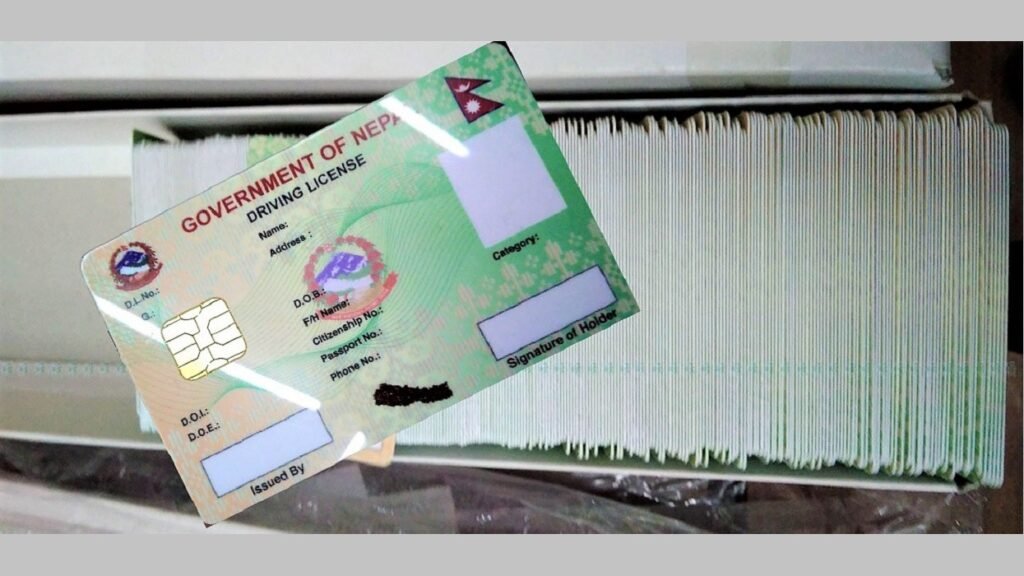
Imagine passing your driving test, paying your fees, and then waiting four years for a piece of plastic. For nearly 2.7 million people in Nepal, this isn’t a hypothetical—it is a frustrating reality. A perfect storm of bureaucratic delays, a devastating fire, and centralized printing has created a massive backlog that has left citizens driving on paper slips since 2022. Tonight, we look at whether the government’s new “fast-track” printing plan can finally clear the road. The statistics are staggering. Since 2022, approximately 2.7 million applicants who successfully cleared their driving tests have yet to receive their smart cards. For years, these drivers have been forced to carry flimsy payment slips as proof of their right to be on the road. These “temporary” measures often lead to repeated hassles during traffic police checks, as the digital transition promised by the Department of Transport Management (DoTM) remains stalled.
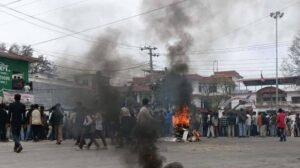
The crisis reached a breaking point on September 9th, during the “Gen Z” protests. A fire at the DoTM office in Minbhawan didn’t just halt services for weeks; it incinerated approximately 22,000 already-printed licenses. While operations have since resumed from temporary offices in Chabahil and Bhaktapur, the status of those destroyed cards remains in limbo.
Director Keshav Khatiwada has stated that applicants should not have to pay for the government’s loss. However, because transport offices fall under provincial jurisdiction while printing remains a federal task, a “policy gap” has emerged. So far, only Koshi Province has officially decided to reissue the fire-damaged cards free of cost, leaving thousands in other provinces wondering who will foot the bill. There is, however, a glimmer of hope. The Security Printing Centre in Panauti, Kavre, has finally ramped up its machinery. Executive Director Devaraj Dhungana reports that the facility has reached a capacity of 25,000 licenses per day, with the potential to hit 40,000 if needed.
The immediate goal is to clear the first batch of 1.2 million cards by mid-April. Priority is currently being given to the most underserved regions, specifically the Karnali and Sudurpaschim provinces, alongside the hill districts of Koshi. Officials are optimistic that by mid-July, the era of the “payment slip” will be over, and every eligible driver will hold a physical card. Despite the current surge in printing, experts argue that the underlying system is broken. Transport infrastructure expert and lawmaker Ashish Gajurel has been vocal in his criticism, comparing the delay to banking services. “Banks issue ATM cards almost immediately,” Gajurel noted. “Why should a driving license take years?”
Gajurel and other advocates are calling for a radical shift: decentralization. Currently, 42 transport offices collect data, but only one center prints the cards. The proposed solution? Either install printing machines in every province or outsource the task to a regulated private sector. The goal, experts say, should be a 24-hour turnaround time, ensuring that the state provides security while the private sector provides speed. As the Security Printing Centre works through the night in Panauti, millions of Nepalese citizens are watching the calendar. For many, the mid-July deadline is more than just a government target—it is the end of a four-year test of patience. We will continue to track the progress of the backlog clearance.