Mother Mary Comes to Me: A gangster language-animal’s eerie symphony
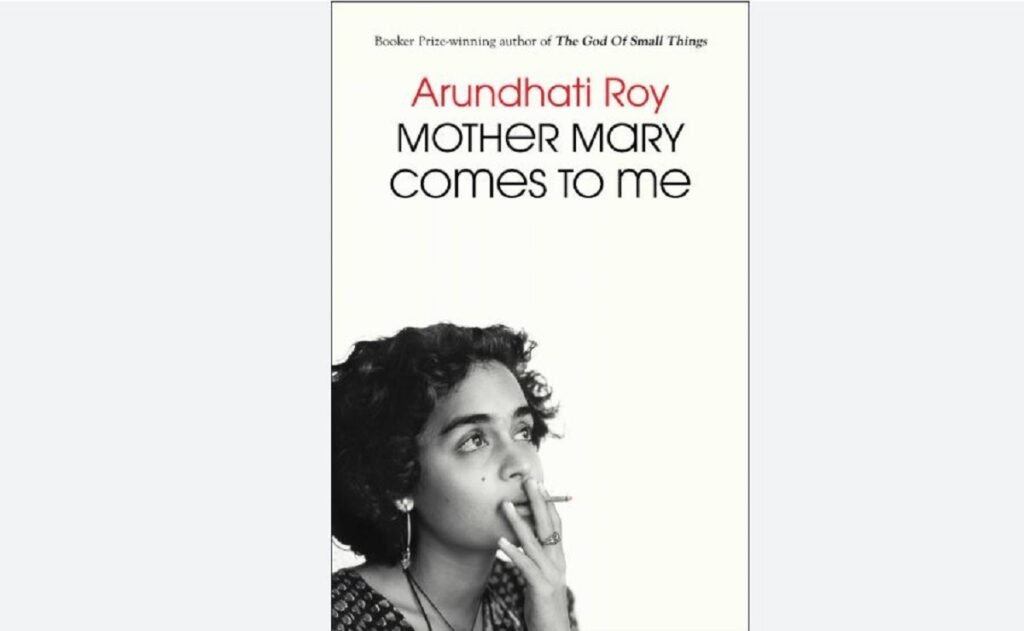
“I don’t want my students to be well-behaved; I want them to be rebels with a conscience.” This quote, attributed to Mother Mary in Kerala, introduces the memoir “Mother Mary Comes to Me,” which offers an intimate glimpse into the life and career of celebrated writer Arundhati Roy. The book captures the interplay between fiction and reality in Roy’s life, illustrating how personal experiences have shaped her literary creations, particularly the beloved characters Rahel and Estha from “The God of Small Things.” Readers experience an honest exploration of Roy’s journey, challenging common narratives about her personality and background, revealing her struggles rather than an unblemished success story.
The narrative is infused with emotional resonance and moments of humor, reminiscent of Virginia Woolf’s reflections on the cost of being a strong woman in India. The memoir is rich with instances where trauma intersects with fiction; for example, a childhood incident involving a ‘Wild Boar’ becomes the foundation for a character in her work. This layering of memories illustrates how her life’s experiences have been transmuted into art, while respecting both the trauma and the stories that arise from it.
Roy, whose background was often assumed to be privileged, confesses to hardships—abortion attempts, academic poverty, and familial struggles—defining her narrative with vulnerability. Her honest depictions of her parents, particularly her complex relationship with her mother, Mother Mary, highlight a nuanced understanding of familial love and pain. Roy’s statement about her mother reflects a deep compassion matched by an acute awareness of their differences, emphasizing that complicated relationships need not be simplified into mere psychological explanations.
The memoir also portrays Roy’s fierce independence and critical engagement with societal norms. She frames herself as an ‘independent, mobile republic,’ living outside prescribed identities—and pushes back against traditional expectations placed on women. Her unique language and compound expressions offer both style and survival, marking her development from a constrained child to an empowered writer.
Towards the end, Roy reveals a sense of calm—a shift from the rebel spirit to building ‘spirit architecture’ by renovating her mother’s house. This act of care contrasts the past with her commitment to remembrance and rebuilding in honor of her mother. The memoir not only presents Roy’s literary insights but also serves as a broader commentary on the struggle for authenticity and self-definition in contemporary India, particularly for outspoken women. Ultimately, “Mother Mary Comes to Me” is a profound account of resilience, identity, and the interlacing of life and literature.