
Middle East tensions could give Xi Jinping an edge over Donald Trump at planned talks
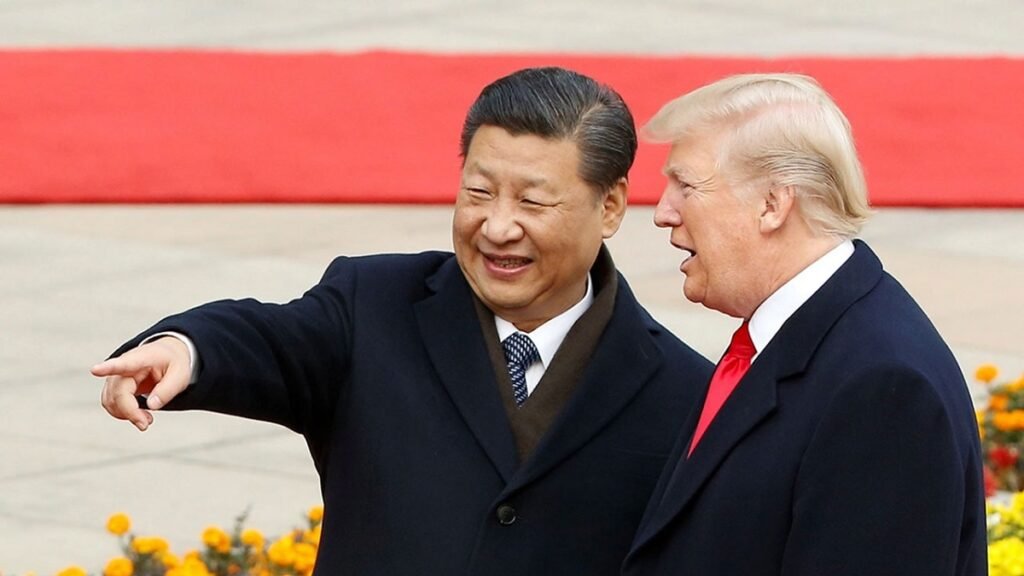
Analysts suggest that China will be in a favorable position for negotiations with President Donald Trump during his anticipated visit to Beijing, following his involvement in the ongoing Middle East conflict. Trump’s original trip, set for the end of the month, has been postponed as he addresses the consequences of military actions in the region, notably the strikes on Iran, which have led to increased violence and rising energy prices, alongside fears of global supply shortages. This has undermined the perception of US power, with experts indicating that Trump may seek diplomatic support from China to resolve a crisis in which the US is heavily involved.
During his visit, which he now expects to take place in five to six weeks, Trump and Chinese President Xi Jinping are anticipated to discuss tariff agreements that were informally agreed upon in October. However, Trump’s diminished leverage may enable Beijing to argue for greater tariff reductions and complicate US attempts to influence other trade matters, particularly regarding critical minerals.
Despite ongoing discussions between Chinese and US trade officials described as “constructive,” significant progress on trade issues appears unlikely due to longstanding low levels of bilateral trust and recent US investigations into industrial capacity. In the context of the Middle East conflict, Chinese analysts predict that Beijing will gain additional strategic leverage, allowing it to maintain a firm stance on key issues, such as its control over rare earth exports essential for US military applications.
China’s inaction regarding Trump’s requests for assistance in reopening the Strait of Hormuz reflects its strategic autonomy, as well as a lack of concrete results from recent trade talks. Furthermore, as Trump faces domestic pressures related to military actions in the Middle East, the US may seek to stabilize relations with China, particularly regarding agricultural exports vital for upcoming elections.
Despite potential opportunities for further meetings between Trump’s administration and Chinese leaders, experts express skepticism about achieving breakthroughs beyond tariff agreements. The likelihood of success is further complicated by Trump’s unpredictable nature, leading to public sentiment in Beijing questioning the reliability of the US president. Nevertheless, some see Trump’s planned visit as an indication of ongoing efforts towards maintaining a cooperative relationship with China.