Lead Found in Toothpaste, Sindoor, Eyeliners: Millions at Risk in Nepal, Study Warns
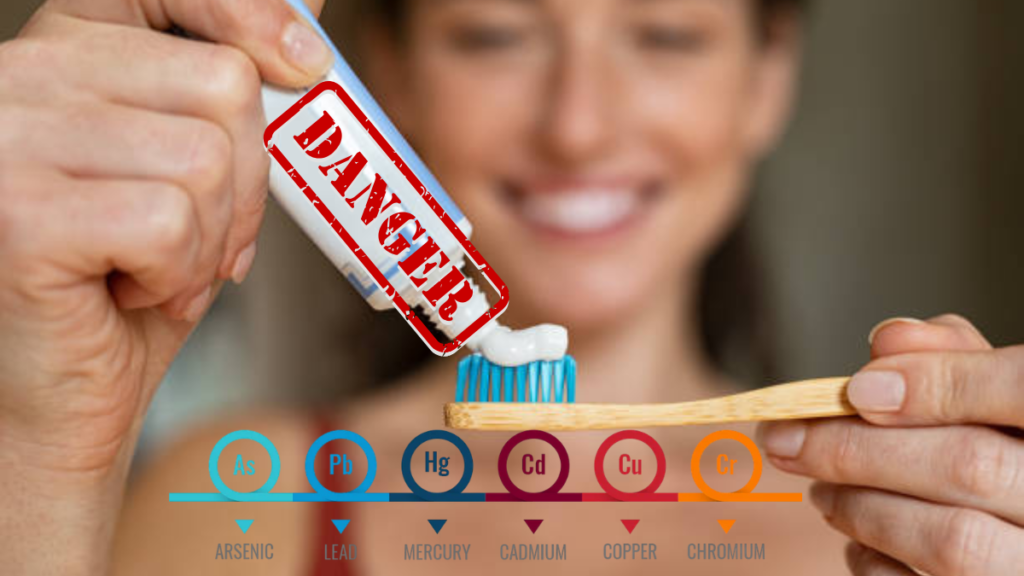
Millions of people in Nepal, including women and children, are being exposed to toxic lead through everyday products such as toothpaste, sindoor and eyeliners, according to a new study by the Centre for Public Health and Environmental Development (CEPHED).
The study, conducted with support from the US-based Lead Poisoning Elimination Project (LEEP), tested cosmetic and personal care products sold across the country. It found that 31 percent of samples contained detectable levels of lead, while 24 percent exceeded the 1 part per million (ppm) safety limit followed in the United States and Canada. About 27 percent also crossed the European Union’s stricter 0.5 ppm standard.
Worryingly, 16 percent of the products tested violated Nepal’s own guideline of 10 ppm, pointing to weak regulatory enforcement. CEPHED officials said Nepal lacks a proper mechanism to regulate cosmetics and toothpaste used daily by millions.
Sindoor emerged as the most contaminated product, with 40 percent of samples testing positive for lead. Some samples contained extremely high levels—up to 124.73 ppm—particularly in Kathmandu Valley. Several popular brands were also found to have unsafe concentrations.
Nearly half of the tested toothpaste samples contained lead, with some showing levels as high as 51.28 ppm. Experts warned that children face higher risk as they absorb lead more easily and often swallow toothpaste while brushing.
Health experts say lead exposure can cause IQ loss, behavioural disorders, kidney damage, infertility and pregnancy complications. The World Health Organisation has stated that no level of lead exposure is safe, especially for children.
CEPHED has urged the government to enforce stricter limits, conduct regular market surveillance and introduce mandatory third-party testing to protect public health.