International Mother Language Day Observed Worldwide with Focus on Youth and Multilingual Education
UNESCO highlights “Youth voices on multilingual education” as 2026 theme
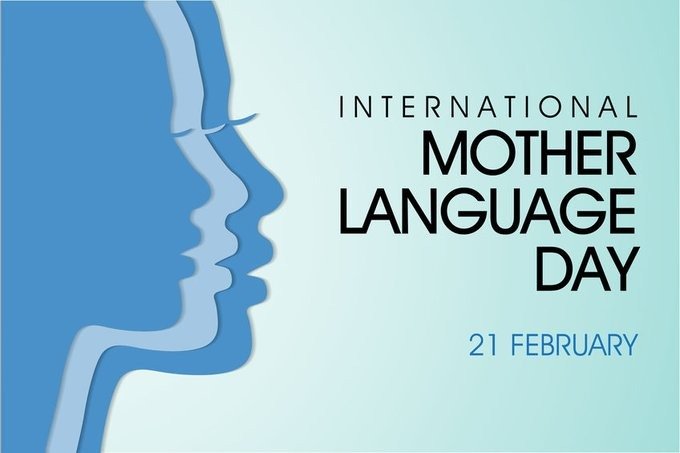
International Mother Language Day is being observed across the globe today, promoting unity in diversity and fostering international understanding through multilingualism and multiculturalism. Celebrated every year on February 21, the day was proclaimed in 1999 by the General Conference of the UNESCO. It was later welcomed by the United Nations General Assembly in a 2002 resolution. The initiative to establish the day originally came from Bangladesh, in recognition of the historic language movement and the importance of linguistic rights.
For 2026, UNESCO has set the theme as “Youth voices on multilingual education,” underscoring the vital role young people play in preserving linguistic diversity and promoting inclusive education systems.
According to UNESCO, languages are central to identity, communication, and development. They contribute significantly to cultural diversity, intercultural dialogue, and social cohesion. Multilingual education, in particular, helps improve learning outcomes, strengthens inclusive knowledge societies, and supports sustainable development by ensuring broader access to information and opportunities.
The organization also emphasizes that linguistic diversity is crucial in mobilizing political will to apply science and technology for sustainable growth while safeguarding cultural heritage.
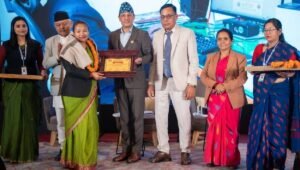
Marking the occasion, the Language Commission organized a special program on Friday. The event was attended by Minister for Industry, Commerce, and Supplies and Minister for Culture, Tourism, and Civil Aviation Anil Kumar Sinha. Secretary Mukunda Prasad Niraula from the Ministry of Culture, Tourism, and Civil Aviation was also present, along with Bangladesh’s Ambassador to Nepal, Shafiqur Rahman.
Speakers at the event highlighted the importance of protecting mother languages and promoting multilingual education, especially among youth. They stressed that preserving linguistic diversity not only safeguards cultural heritage but also strengthens social harmony and national unity.
As the world observes International Mother Language Day, governments, educational institutions, and communities are being encouraged to invest in inclusive language policies and empower young voices to shape a multilingual future.