Foreign Ministry Issues One-Month Deadline for Recalled Envoys to Return to Kathmandu
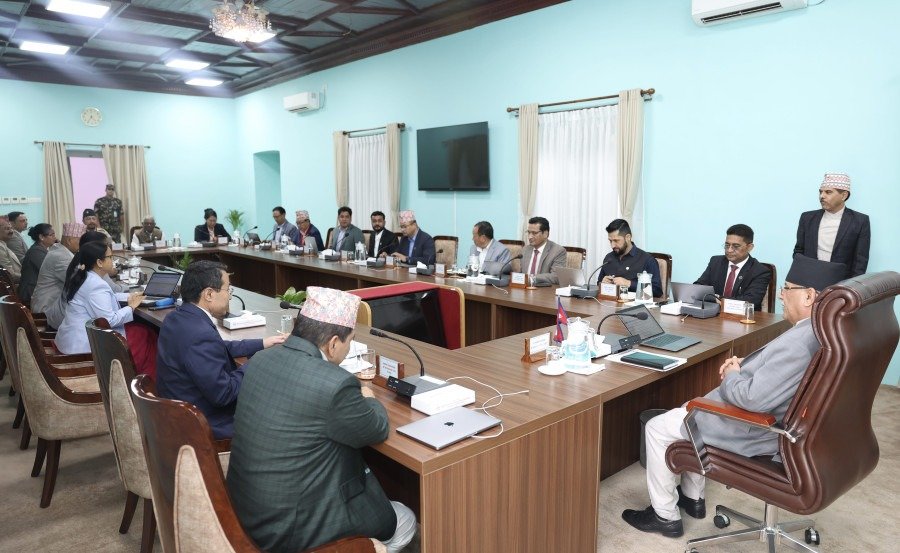
In a sweeping move that has created a significant diplomatic vacuum, the Nepal government has officially recalled the remaining six ambassadors appointed under the political quota of the previous administration. The Cabinet finalized its decision on Sunday and communicated it through the Ministry of Foreign Affairs on Monday, leaving 17 of Nepal’s most critical diplomatic missions—including those in India, China, and the United States—without senior leadership.
The recalled envoys include Shankar Prasad Sharma (India), Chitralekha Yadav (Australia), Purna Bahadur Nepali (Sri Lanka), Shiva Maya Tumbahangphe (South Korea), Sumnima Tuladhar (Denmark), and Kapil Shrestha (South Africa). These officials, recommended for their posts in August 2025, represented various political quotas from the Nepali Congress and CPN-UML. Ministry sources indicate that the appointees failed to resign voluntarily after the recent election results, leading to the decision to recall them.
Foreign Ministry spokesperson Lok Bahadur Poudel Chettri confirmed that the ambassadors have been given a one-month window to complete logistical formalities and conduct farewell calls with senior officials in their respective host countries. This transition period is expected to be marked by intense administrative activity as the missions prepare for an indefinite period under the charge of lower-ranking diplomats.
The scale of this recall has raised concerns regarding Nepal’s international representation. With the departure of these six, a total of 17 countries—including the United Kingdom, Japan, Russia, Saudi Arabia, and Germany—are now functioning without a resident ambassador. This “headless” status of nearly half of Nepal’s foreign missions comes at a time of complex global geopolitical shifts, where consistent high-level engagement is often viewed as essential for national interests.
Filling these vacancies is expected to be a lengthy process. The government must first recommend new candidates, who then face a rigorous parliamentary hearing committee. Observers suggest this procedure could take several weeks or even months, depending on the political consensus within the current administration.
As the Ministry of Foreign Affairs begins the task of managing 17 leaderless missions, the focus now turns to how quickly the government can appoint qualified successors. The list of vacancies spans major world powers and key labor destinations, including Qatar and Malaysia, making the swift restoration of full diplomatic representation a matter of urgent national priority.