
Faster Approvals, Safer Workers: Nepal Launches Major Labour Sector Overhaul
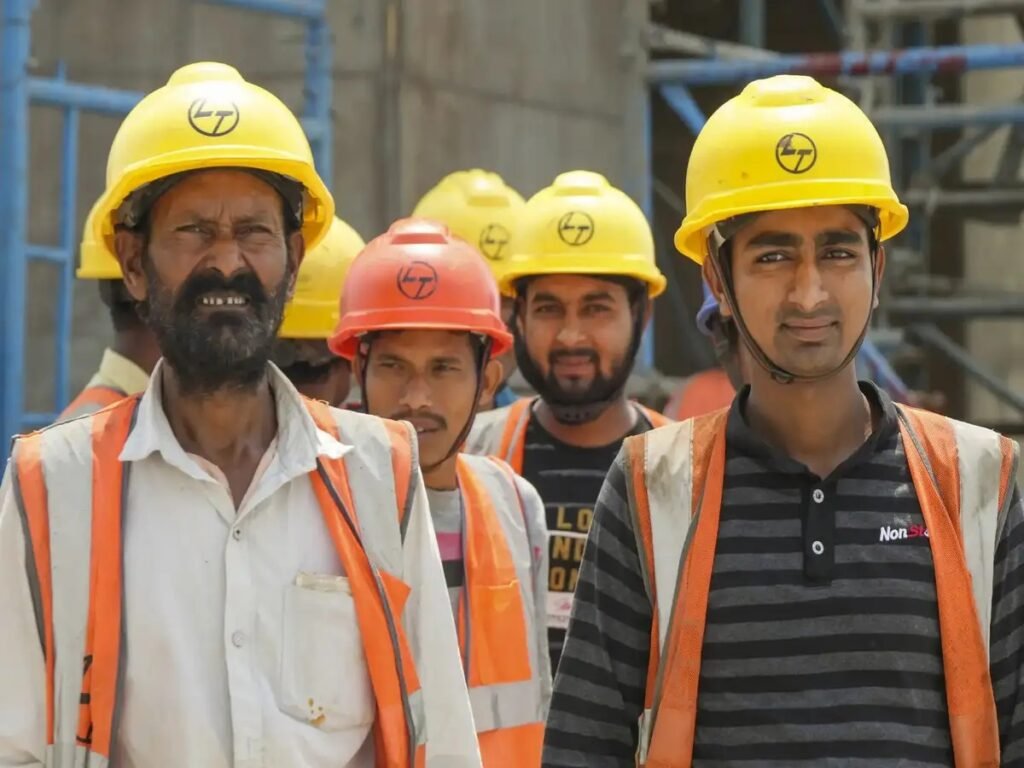
In a decisive move to modernize the workforce and protect the rights of millions, the Ministry of Labour, Employment, and Social Security has begun implementing a sweeping 100-point governance reform agenda. Following a high-level meeting at Singha Durbar, the government has officially scrapped the long-standing token system, promising a faster, more dignified experience for workers. The changes come on the heels of a Cabinet endorsement on March 27. Minister Dipak Kumar Sah has wasted no time, directing officials to translate these reforms into immediate action. The primary goal is clear: to make the labor sector more organized, secure, and—above all—dignified.
One of the most significant changes for the public is the removal of the bureaucratic “token system” for labor approvals. Applicants will no longer have to wait through a tiered numbering process; the ministry has now transitioned to issuing labor approvals on the same day an application is submitted. This digital shift aims to reduce the time and cost burden on citizens.
Beyond administrative efficiency, the reform agenda places a heavy emphasis on the welfare of Nepali migrant workers. The Ministry is establishing strict minimum standards for foreign employment, which will involve a rigorous assessment of wages, workplace safety, and health conditions in destination countries. To better prepare those heading abroad, pre-departure orientation training is moving fully online, supported by new audio-visual materials.
Domestically, the government is tackling employment on two fronts: protection and growth. There is a renewed focus on enforcing minimum wages and expanding the contribution-based social security scheme to cover more workers. To bridge the gap between education and employment, the Ministry plans to host skill fairs in all provinces in partnership with the private sector.
The agenda also takes a hard line against exploitation. Plans are in motion to curb fraud within the foreign employment industry and strengthen occupational health and safety standards across local industries. Furthermore, the government aims to expand bilateral labor agreements to five additional countries, ensuring that the legal framework for migration evolves alongside global needs. Minister Sah’s directive marks a shift toward a more proactive government—one that prioritizes the entrepreneur and the laborer alike. As these 100 points begin to roll out, the focus remains on transforming the Ministry from a regulatory hurdle into a pillar of support for the nation’s workforce.