
Lessons from Devastating Floods: Foreign Minister Shisir Khanal Calls for High-Altitude Monitoring
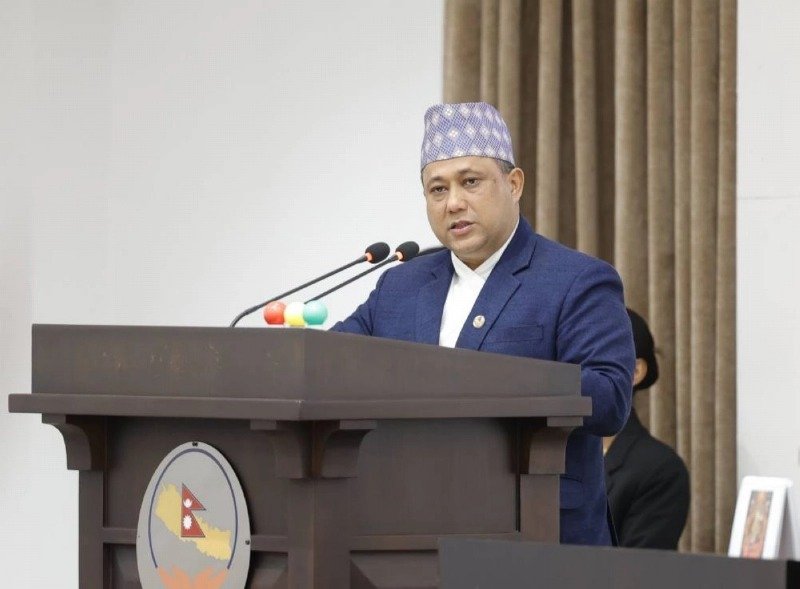
Nepal’s Foreign Minister Shisir Khanal has urgently called for the development of mountain-specific early warning systems, enhanced cross-border data sharing, and predictable climate financing, warning that existing disaster alert mechanisms remain critically inadequate to safeguard vulnerable Himalayan communities from escalating climate-induced catastrophes. Speaking at a high-level event titled “Early Warnings for All: Delivering on Our Promise to Protect Everyone” on the sidelines of the 31st United Nations Climate Change Conference (COP31) in Antalya, Türkiye, Khanal described robust early warning networks as an indispensable lifeline for populations inhabiting disaster-prone mountainous terrains. Reflecting on recent national emergencies, he acknowledged that while Nepal’s existing system successfully transmitted millions of localized SMS alerts to downstream residents during the initial minutes of a crisis, those warnings ultimately proved insufficient to prevent severe devastation. Specifically, the catastrophic floods and landslides of August 26—triggered by extreme rainfall and complex mountain hazards across the Bhotekoshi and Trishuli river corridors—exposed stark operational gaps in translating digital alerts into timely evacuations and effective physical protection for remote riverbank settlements. Khanal explained that mountainous nations like Nepal confront unique forecasting and response obstacles due to rugged topography, sparse observation infrastructure, and the rapid, cascading nature of glacial and hydrological hazards. To overcome these structural vulnerabilities, he advocated for upgraded high-altitude surveillance utilizing real-time telemetry systems, satellite-based remote sensing, and specialized cryosphere monitoring tailored to intricate alpine environments. Equally vital, Khanal emphasized strengthening the “last mile” of warning dissemination so that life-saving alerts reach marginalized communities in accessible formats and local languages, paired with decisive anticipatory action on the ground. Invoking Nepal’s interconnected “Sagarmatha to the Sea” vision, the Foreign Minister underscored the imperative of seamless cross-border hydrological data exchange among nations sharing transboundary river basins and fragile mountain ecosystems, noting that climate impacts in the Himalayas ripple far beyond national boundaries. Furthermore, he urged developed nations and international institutions to mobilize predictable, accessible, and grant-based climate finance alongside targeted technology transfers, ensuring that comprehensive disaster preparedness reaches the world’s most isolated mountain populations rather than leaving them behind. Throughout COP31, Nepal has consistently championed a dedicated global mountain agenda, arguing that accelerating warming across the Himalayas threatens millions of lives, livelihoods, and critical infrastructure in both upstream and downstream regions. Ultimately, Khanal’s intervention framed early warning modernization not merely as a technical upgrade, but as a moral test of global climate solidarity—demanding coordinated international investment and regional cooperation so that future extreme weather events in the world’s highest peaks are met with proactive resilience rather than preventable tragedy.