Closure of Tatopani, Rasuwagadhi, and Korala Trade Routes Sparks Price Spike Fears in Nepal
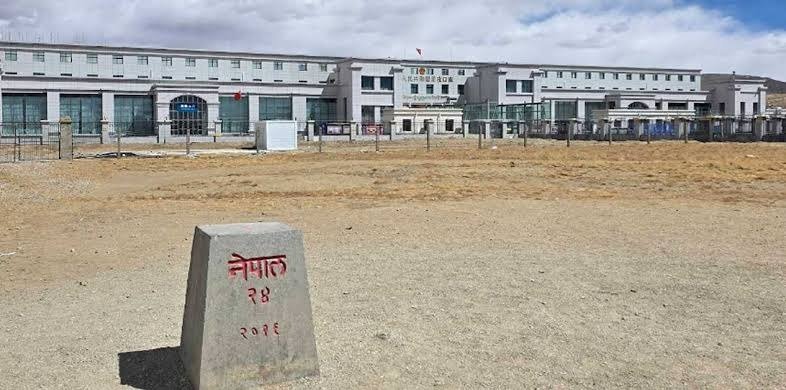
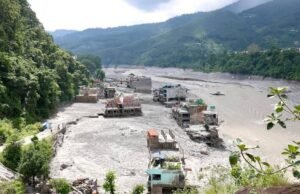
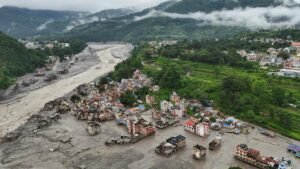
Nepal’s vital festive supply chain for Dashain and Tihar faces mounting threats and severe disruptions after the country’s three primary overland trade routes with China—Tatopani, Rasuwagadhi, and Korala—have been unilaterally shut or compromised, raising the specter of widespread shortages, steep price spikes, and substantial customs revenue losses ahead of the nation’s largest shopping season. The crisis deepened when the catastrophic August 26 Bhotekoshi flood devastated the Rasuwagadhi corridor, sweeping away approximately 400 containerloads of imported goods, while Chinese authorities subsequently closed Tatopani citing landslide risks along the Liping section and indefinitely delayed reopening due to administrative requirements like relocating their customs facility from Zhangmu to Nyalam. Although traders attempted to redirect their cargo through the Korala border via the Kaligandaki corridor, that high-altitude crossing at 4,650 metres lacks the heavy infrastructure required to manage high-volume commercial freight, leaving Nepal completely without a high-capacity overland gateway to China at a critical juncture when retailers traditionally stock up for Dashain and Tihar, which typically drive between 40 to 70 per cent of annual retail sales. The financial repercussions are profound, given that Tatopani and Rasuwagadhi historically accounted for over Rs 93 billion in imports during the previous fiscal year, and past precedents warn that such protracted border closures trigger dramatic spikes, with clothing and footwear prices historically surging by 15 to 30 per cent, freight tariffs jumping 20 to 40 per cent, and essential commodities rising by up to 50 per cent. Despite these severe logistical setbacks, Director General of the Department of Customs Yam Lal Bhusal remains optimistic about meeting overall revenue milestones, noting that the agency has already collected Rs 136 billion out of the targeted Rs 150 billion set for mid-October. In response to the escalating crisis, the business community, lawmakers like CPN-UML MP Laxmi Prasad Pokharel, and government officials have intensified diplomatic engagement with Beijing and held high-level meetings with the Chinese Embassy, while Infrastructure Development Minister Sunil Lamsal affirmed that Nepal has substantially repaired its side of the damaged road links and stands fully prepared to resume border operations immediately. As continuous diplomatic dialogue persists alongside ongoing rehabilitation efforts on the flood-damaged Rasuwagadhi and Tatopani routes, business leaders and policymakers warn that unless Beijing acts promptly to reopen these critical trade arteries, festival shoppers will face heavily inflated retail prices and severe market vulnerabilities that threaten both consumer welfare and national economic stability.