Nepal’s Lone Mental Hospital Pushed to the Brink Amid Surging Demand
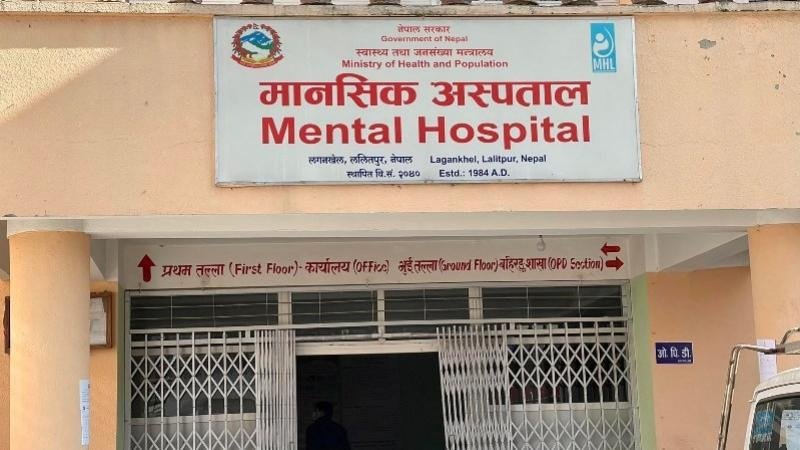
In the quiet corridors of Lagankhel, a crisis is unfolding. The Mental Hospital, Nepal’s only dedicated state-run psychiatric facility, is currently stretched far beyond its intended capacity. What began as a small unit in 1961 has become the sole refuge for patients traveling from all 77 districts, seeking affordable care that is virtually non-existent elsewhere.
Inside the wards, the reality is stark. While the government has sanctioned only 50 beds, the hospital is forced to operate 69 to keep up with the influx. Every day, more than 150 patients pack the outpatient department, seeking help for severe depression, anxiety, and substance use disorders. For many, this hospital is the final hope after months or even years of untreated suffering.
Sushila Dangol, the head of Nursing, admits that the staff must “compromise on everything” to keep the facility running. Despite the colorful walls of the adolescent ward, the infrastructure is aging and the manpower is limited. With only 14 psychiatrists and five residents, the medical team must navigate a heavy caseload while managing complex diagnoses and long-term follow-ups.
A major hurdle remains the high rate of relapse. Doctors report that many patients discontinue their medication once they feel a slight improvement, often due to the social stigma surrounding psychiatric care. At just 100 rupees a day for a bed and meals, the hospital remains a vital lifeline for the nation’s most vulnerable. However, without an urgent increase in budget, infrastructure, and human resources, the mantra of “just managing” may no longer be enough to sustain Nepal’s mental health needs.