Experts say Kathmandu needs long-term pollution controls, but the weather has cleared the skies
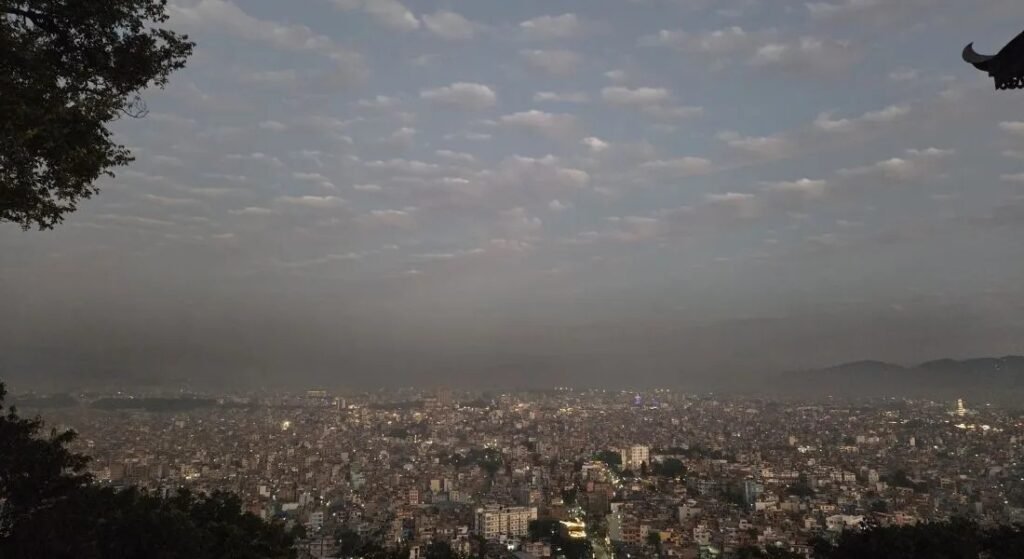
The people of the Kathmandu Valley are getting a much-needed break because the air quality has gotten a lot better since it rained and the winds picked up. After a week of pollution that made the capital the most polluted city in the world, the weather has changed, and the Air Quality Index (AQI) has dropped from a dangerous high. Residents of the Kathmandu Valley are experiencing a much-needed reprieve as air quality levels improved significantly following recent rainfall and strong winds. After a week of suffocating pollution that saw the capital ranked as the world’s most polluted city, atmospheric conditions have shifted, bringing the Air Quality Index (AQI) down from a dangerous peak.
The Valley’s AQI reached a shocking 247 last week because of a long stretch of dry weather and hundreds of active forest fires in Nepal. This reading was clearly in the “very unhealthy” range, which led to health warnings for everyone. But because of the recent change in the weather, the AQI has dropped to 79. This is currently rated as “moderate,” but it shows a huge improvement, moving Kathmandu from the top of the world’s pollution charts to the 26th position.
Gyanendra Subedi, the director general of the Department of Environment, said that the pollution levels had gone up before because of dust and smoke that had built up because of the valley’s unique shape. The lack of moisture let particles settle, and smoke from regional forest fires and air pollution from India made the situation even worse. “The rain and wind have finally cleaned the Valley by breaking up the dangerous layers of smog that had settled there,” Subedi said.
Experts say that even though the air quality is better, “moderate” air quality is still dangerous, especially for kids, the elderly, and people with breathing problems. A reading below 50 is considered “good” by standard AQI standards, and anything above 100 starts to affect public health.
The recent crisis has brought back calls for changes to policies that will last a long time. Director General Subedi said that while weather events can help for a short time, the long-term solution is to put in place measures that are good for the environment. These include stricter rules for industrial emissions, better ways to deal with forest fires, and working together across regions to deal with pollution that crosses borders. As the dry season goes on, officials stay on high alert and encourage the use of greener infrastructure to stop things from getting dangerous again.