Nepal’s Economy Faces New Questions After Gen Z–Led Protests
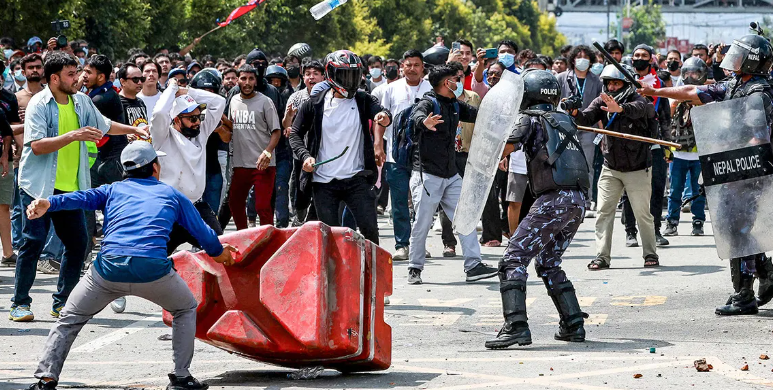
Nepal is witnessing a period of economic reflection and uncertainty following recent protests led largely by members of Generation Z. The demonstrations, driven by frustration over unemployment, rising living costs, governance concerns, and limited economic opportunities, have sparked a nationwide debate about the country’s development model and the urgency of structural reforms. While the protests were primarily political and social in tone, their ripple effects are being felt across Nepal’s economic landscape.
In the immediate aftermath, business activities in parts of Kathmandu and other urban centers experienced temporary disruptions. Retail markets, transportation services, and small enterprises reported brief slowdowns due to street gatherings and precautionary shutdowns. Tourism, a critical pillar of Nepal’s economy, also faced short-term uncertainty as international observers monitored the situation closely. However, officials emphasized that the protests remained largely peaceful and localized, preventing major long-term economic damage.
The larger economic concern, analysts say, lies in the structural issues raised by the young protesters. Nepal’s economy has long relied heavily on remittances from citizens working abroad. While remittance inflows have supported household consumption and foreign exchange reserves, they have also highlighted the lack of sufficient domestic job creation. Young graduates entering the labor market often struggle to find opportunities that match their qualifications, prompting many to seek employment overseas. The protests have amplified calls for investment in technology, entrepreneurship, and skill-based industries that can generate sustainable employment within the country.
Inflation and rising living expenses have also intensified public dissatisfaction. Although the government has taken measures to stabilize prices and manage fiscal pressures, many young citizens argue that wage growth has not kept pace with the cost of living. The demand for greater transparency, improved governance, and stronger anti-corruption measures reflects a broader desire for economic accountability and inclusive growth. Economists note that addressing these concerns could ultimately strengthen investor confidence if reforms are implemented effectively.
Financial markets and banking operations have remained stable so far, with no signs of systemic stress. The central bank continues to monitor liquidity and inflation indicators closely. Experts suggest that if policymakers respond constructively to the demands for reform, Nepal could transform this moment of unrest into an opportunity for economic modernization. Investments in digital infrastructure, tourism diversification, hydropower expansion, and small-business support are often cited as potential pathways for growth.
In the longer term, the Gen Z–led protests may serve as a catalyst for policy change. Young citizens represent a significant demographic force, and their expectations for transparency, innovation, and opportunity are reshaping public discourse. While short-term uncertainty can weigh on sentiment, sustained dialogue between the government and youth leaders could foster reforms that strengthen Nepal’s economic resilience. The coming months will be critical in determining whether the unrest becomes a setback or a turning point for Nepal’s evolving economy.